


How to Choose an Electric Golf Cart: A First-Time Buyer's Guide
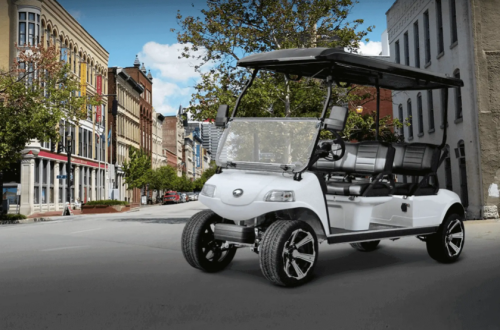
Buying your first electric golf cart is deceptively easy to get wrong. The vehicles look similar in a showroom, but the difference between "perfect for my use" and "wrong purchase" usually comes down to four questions most first-time buyers never ask. This guide walks through them in order, so you can shortlist with confidence before you talk to a dealer.
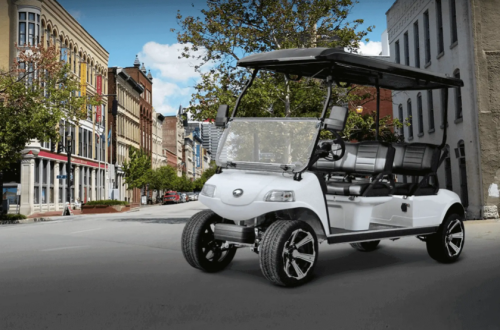
1. Start with where it will actually drive
This is the single most important question, because it decides whether you need a standard golf cart or a road-approved low-speed vehicle (LSV).
Private land only — golf course, resort grounds, factory yard, private community with internal roads: a standard electric golf cart is enough. No type approval required.
Public roads (low-speed) — town streets with low limits, coastal promenades, campus roads open to traffic: you need an LSV (US FMVSS 500) or, in Europe, an L6e / L7e type-approved vehicle.
Getting this wrong is expensive: a non-compliant cart cannot be registered, insured or legally driven off private property. If you are unsure, read our breakdown of whether electric golf carts are street legal before you shortlist.
2. Pick the right body type for the job
HDK and most manufacturers group carts into three families. Match the family to the task:
| Body type | Best for | HDK range |
|---|---|---|
| Golf series | Clubs, resorts, courses — refined chassis, silent AC drive | Golf Series |
| Personal series | Communities, schools, promenades — comfort and styling | Personal Series |
| Commercial series | Logistics, maintenance, grounds — payload and durability | Commercial Series |
If you only need one vehicle for mixed use, a personal or golf-series 4-seater is the usual sweet spot. See the full HDK product center for the complete lineup.
3. Battery: lithium (LiFePO4) vs lead-acid
This is where most of the lifetime cost and hassle lives. Lead-acid is cheaper up front; lithium (LiFePO4) lasts far longer, charges faster and needs almost no maintenance. For a first-time buyer who wants "set it and forget it," lithium is the easier ownership experience.
Our detailed comparison covers lifespan, weight, range and total cost: Lithium vs lead-acid golf cart batteries.
4. Seating, payload and budget
Count passengers and cargo. A 2-seater is tight once you add a bag of clubs or a toolbox; a 4-seater covers most families and small fleets; a 6-seater suits shuttles and larger properties.
Budget is more than sticker price. Factor charging, maintenance, battery replacement and resale. Our electric golf cart cost and total-ownership guide shows the real numbers by configuration.
First-time buyer shortlist
Confirm driving location (private vs public road) → sets compliance need.
Choose body family (golf / personal / commercial).
Decide battery chemistry (lithium recommended for low hassle).
Size seating + payload for your worst-case day, not average.
Compare total cost of ownership, not just purchase price.
Once you have a shortlist, a good dealer will confirm certifications, lead time and after-sales before you pay. If you plan to resell or register the vehicle later, prioritize type-approved models from the start — it protects the asset's value.