


How to Charge an Electric Golf Cart: Chargers, Charge Times & Safety
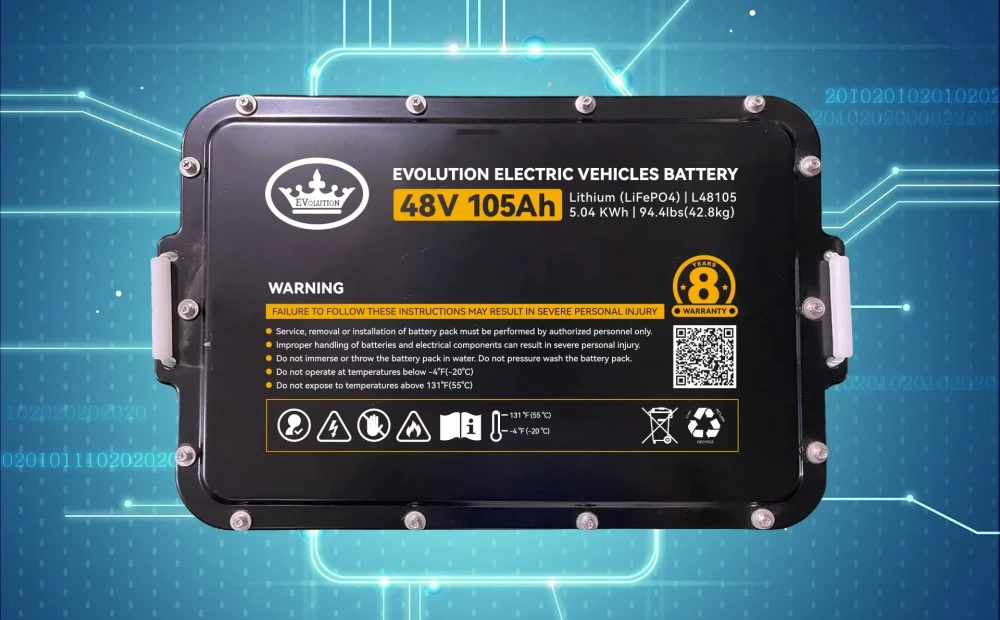
Charging an electric golf cart is simpler than charging a phone — but a few habits make the difference between a battery that lasts a decade and one that fails early. This guide covers what you need, how long it takes, and the do's and don'ts.
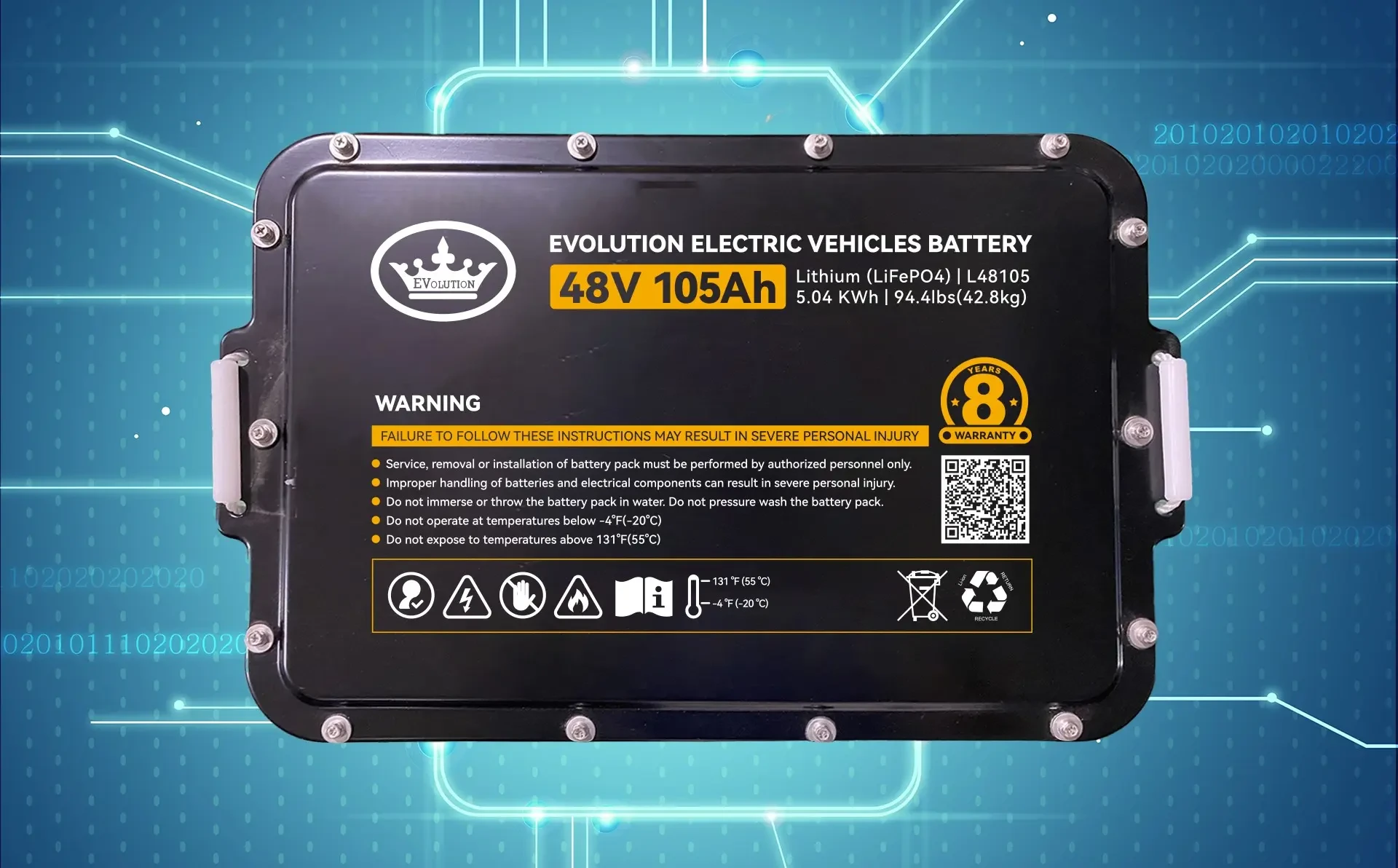
What you charge with
Every HDK cart ships with a dedicated onboard or offboard charger matched to its pack. The key specs are:
Input: usually 110–240 V, 50/60 Hz — works on standard outlets in most markets.
Output: matched to pack voltage (48 V / 60 V / 72 V common) and current.
Type: smart chargers that switch to float/trickle when full.
Use only the supplied or manufacturer-approved charger. A mismatched charger is the fastest way to damage a lithium or lead-acid pack.
How long does it take?
| Pack state | Lithium (typical) | Lead-acid (typical) |
|---|---|---|
| Empty → full | 4–8 hours | 8–12 hours |
| Opportunity top-up (30%) | 1–2 hours | 3–4 hours |
Lithium charges faster and accepts partial charges without memory effect, which is why fleets using commercial series vehicles often trickle-charge during breaks.
Where to charge
At home / in a garage: a standard grounded outlet is enough for overnight charging.
At a resort or facility: dedicate a charging bay with weather protection.
On the go: lithium packs tolerate partial top-ups, so you do not need a full empty-to-full cycle.
Safety habits that protect the pack
Charge in a dry, ventilated place. Avoid standing water and sealed boxes.
Don't leave a depleted pack flat for weeks. Lead-acid sulphates; lithium slowly self-discharges but still prefers a recharge.
Let it cool. After a hard hill climb, wait a few minutes before plugging in.
Keep contacts clean. A quick wipe of the charge port prevents resistance and heat.
Use the right breaker. Follow the manufacturer's amperage guidance for the circuit.
Lithium vs lead-acid charging
If you are deciding between the two, charging behaviour is a real quality-of-life difference. Our lithium vs lead-acid comparison breaks down the lifetime math. In short: lithium is faster, lighter and maintenance-free; lead-acid is cheaper up front but needs watering and equalising.
For a full care routine beyond charging, see the maintenance guides in our blog.
Need the exact charger spec for your model? The HDK product center lists per-series battery and charger details.