


Electric Golf Cart Range Explained: Battery Size, Real-World Distance & How to Extend It
"How far does it go on a charge?" is usually the first question a buyer asks — and the hardest to answer with a single number, because real-world range depends on more than the battery label. This guide gives you the framework to estimate range for your use, and the levers that actually move it.
What the battery number really means
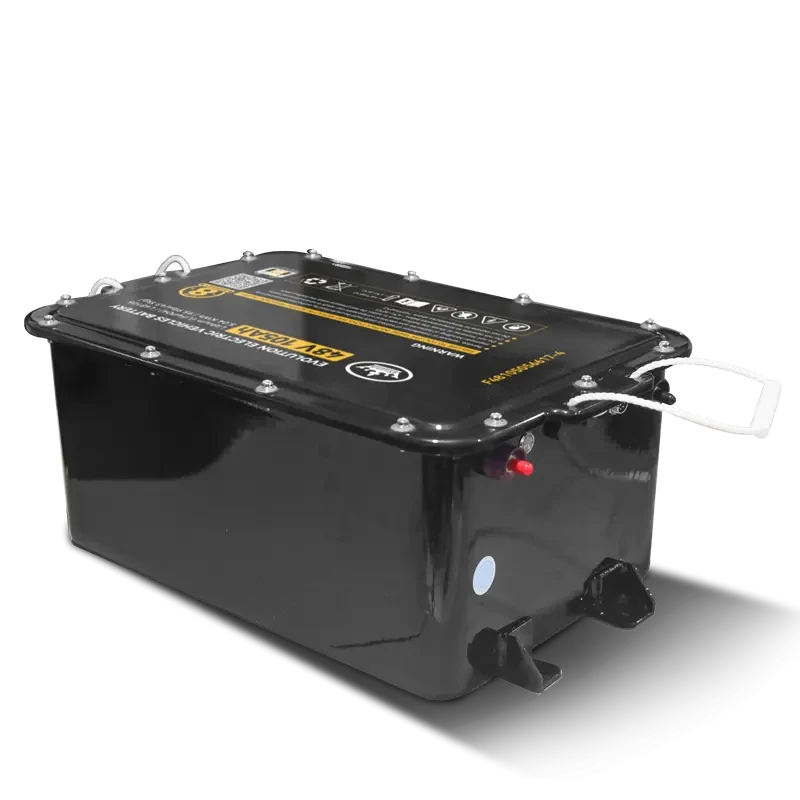
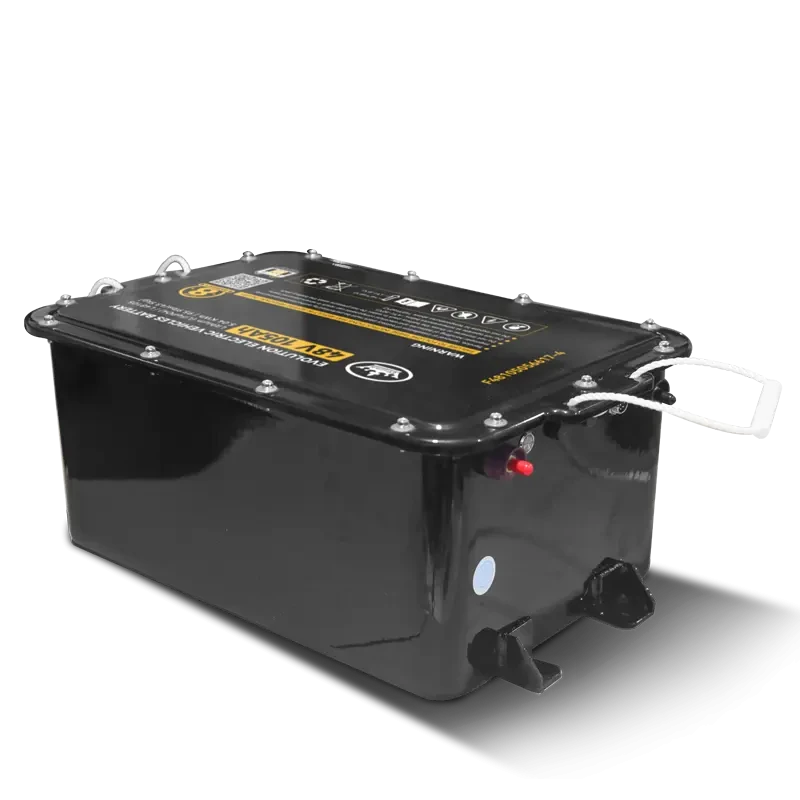
Golf cart batteries are rated in amp-hours (Ah) or kilowatt-hours (kWh). A typical lithium pack on a 4-seater runs roughly 5–10 kWh. But capacity is only half the story — what matters is how much energy the vehicle draws per kilometre.
A light 2-seater cruising a flat course sips energy. The same pack in a loaded 6-seater climbing a resort grade, with lights and a fridge running, will deliver noticeably less distance. That is why two "identical" carts show different range in different hands.
Typical real-world ranges
| Use case | Typical range per charge |
|---|---|
| Flat golf course, 2-seater, light load | ~45–70 km |
| Resort / community, 4-seater, mixed terrain | ~35–55 km |
| Commercial / utility, heavy payload, hills | ~25–45 km |
These are ballpark figures for lithium packs. Lead-acid versions of the same cart typically deliver 20–30% less usable range because the pack cannot be deeply discharged safely.
What eats your range
Terrain: hills are the biggest variable. Climbing draws several times the energy of cruising.
Payload: every passenger and every kilo of cargo shortens the distance.
Speed: higher cruising speed increases drag and consumption.
Accessories: lights, audio, heaters and refrigerators draw from the same pack.
Temperature: cold weather temporarily reduces available capacity (see our winter guide).
Battery age: all chemistries fade; lithium fades far more slowly than lead-acid.
How to extend your range
Choose lithium (LiFePO4). Higher usable depth of discharge and 2,000+ cycles versus ~500 for lead-acid. Details in our battery comparison.
Right-size the pack. If your worst-case day is 40 km, spec for 55–60 km so the pack never sits near empty.
Keep tyres correct. Under-inflated tyres add rolling resistance and silently cut range.
Plan charging around duty cycles. Fleets and worksites benefit from opportunity charging during breaks — see our commercial series for high-duty options.
Estimating your own number
Take the pack's kWh, divide by your expected kWh/km (ask the manufacturer for a figure), then apply a 0.7–0.8 real-world factor for loads, hills and accessories. That gives a conservative daily range you can plan around.
For HDK's engineered low-speed platforms and per-model battery specs, visit the low-speed electric vehicle page or the full product center.