


Do Electric Golf Carts Work in Winter? Cold-Weather Performance & Care
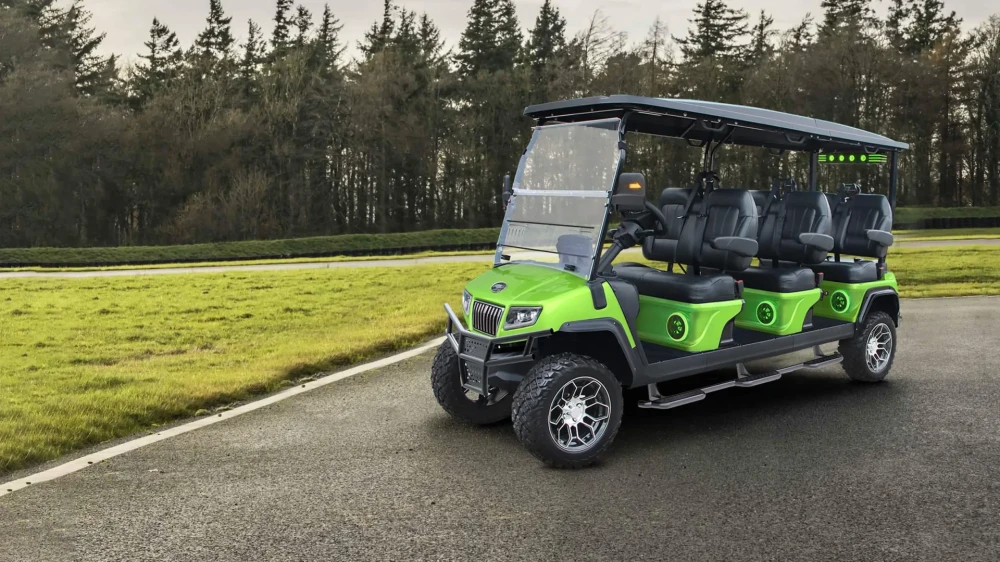
Short answer: yes, electric golf carts work in winter — but cold changes the numbers, and a little care keeps them reliable. This guide explains what actually happens in the cold and the habits that prevent winter problems.
Why cold affects electric carts
Both battery chemistries lose some capacity in the cold, but the effect is temporary and manageable:
Lithium (LiFePO4): delivers less usable capacity at low temperature, but recovers fully when warm. Internal management protects the cells.
Lead-acid: suffers more in the cold and also dislikes being charged while frozen — it can sulphate faster.
Range in freezing weather might drop 10–25% versus mild conditions. That is a planning factor, not a failure.
Charging in the cold
Charge in a warmer space when possible — a garage or sheltered bay beats an exposed outdoor socket.
Avoid charging a frozen lead-acid pack. Let it warm first; lithium handles cold charging better but still prefers moderation.
Keep the charger dry. Snow and slush near the port cause corrosion over time.
General charging habits are covered in our blog.
Winter driving adjustments
Expect shorter range. Plan routes with a buffer; don't run the pack to empty in the cold.
Brake earlier. Cold tyres and paths mean less grip — gentle inputs help.
Watch tyre pressure. Pressure drops with temperature and hurts both range and handling.
Store with charge. Don't leave the pack near empty for weeks; a partial charge is healthier.
Battery care by chemistry
| Habit | Lithium | Lead-acid |
|---|---|---|
| Winter storage | Store at ~50%+, cool dry place | Store fully charged, check monthly |
| Cold charging | Acceptable, prefer mild temp | Avoid if frozen |
| Capacity loss | Temporary, recovers when warm | More pronounced |
The full chemistry breakdown is in our lithium vs lead-acid comparison.
Off-season storage
If the cart sits for months (seasonal resorts, summer homes), store it charged, dry and connected to a maintenance charger if lead-acid. A quick pre-season check from our maintenance checklist gets it road-ready again.
For model-specific cold-weather ratings, see the HDK product center.