


Electric Golf Cart Maintenance: A Simple Monthly & Annual Checklist
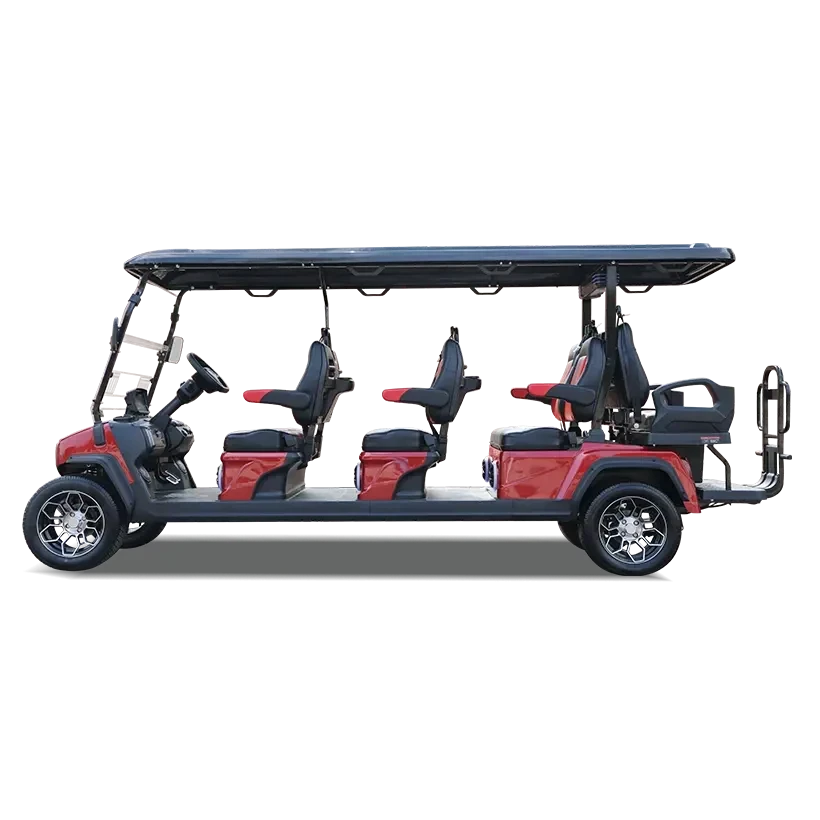
One of the biggest advantages of an electric golf cart over a petrol one is how little routine maintenance it needs. No oil changes, no spark plugs, no fuel system. But "low maintenance" is not "no maintenance." A light, regular routine keeps the vehicle safe and protects the battery — the most expensive part.
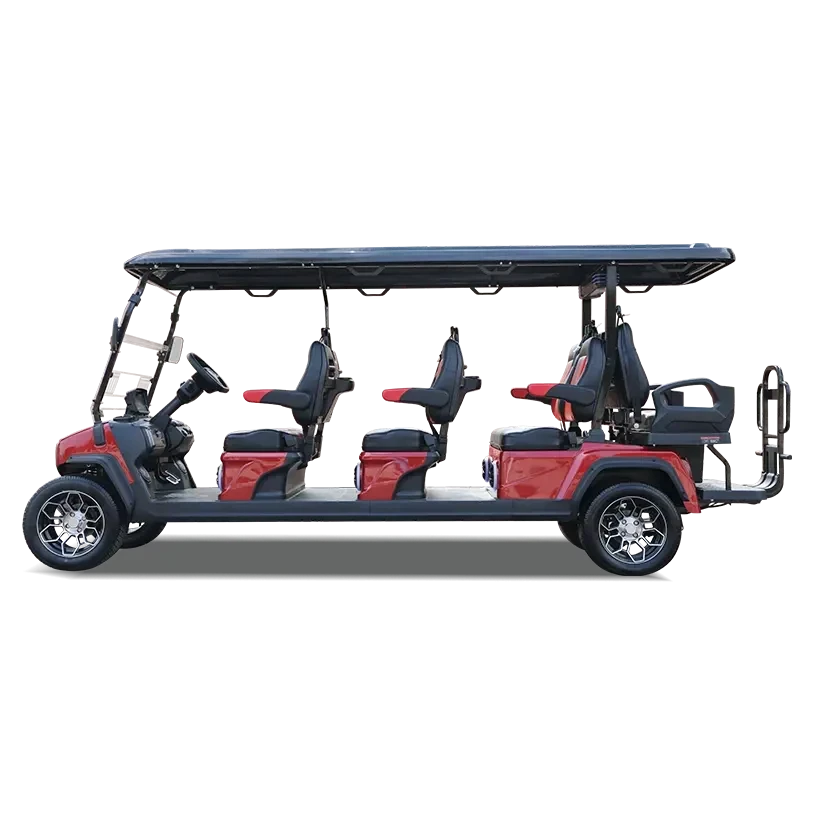
Monthly checks (5 minutes)
Tyres: check pressure and look for cracks or uneven wear. Under-inflation hurts range and handling.
Battery indicators: confirm state of charge and that no warning lights are on.
Charge port: wipe clean, check for corrosion or looseness.
Brake feel: note any change in stopping distance or pedal travel.
Visible faults: loose body panels, worn floor mats, leaking fluids (rare, but worth a glance).
Every 3–6 months
Battery terminals: for lead-acid, check water levels and clean corrosion. Lithium needs only a visual check.
Tyre rotation: if wear is uneven, rotate to even it out.
Steering & suspension: feel for play or knocking over bumps.
Lights & signals: verify all are working, especially if the cart is road-used.
Annual service
Full brake inspection: pads, cables, parking brake.
Charger test: confirm it reaches full and switches to float correctly.
Structural check: frame, mounts, seat fixings.
Software / controller: if applicable, update per manufacturer guidance.
Lithium vs lead-acid care
This is where the two chemistries diverge most in effort:
| Task | Lithium (LiFePO4) | Lead-acid |
|---|---|---|
| Watering | None | Monthly |
| Equalising | None | Periodic |
| Terminal cleaning | Occasional | Regular |
| Cycle life | 2,000+ cycles | ~500 cycles |
Full comparison: Lithium vs lead-acid golf cart batteries.
For fleets: make it a calendar
If you run several carts, maintenance slips unless it is scheduled. Our fleet management guide shows how to standardise specification, charging and service calendars across a resort, campus or facility. For high-duty work vehicles, the commercial series is built for daily cycles.
Signs you should service now
Range drops noticeably versus when new.
Brake pedal feels soft or travel increases.
Unusual motor whine or controller fault codes.
Any burning smell from the pack or charger.
Address these immediately — they are cheaper to fix early. For model-specific intervals, check the manual or the HDK product center.