


2, 4, or 6 Seater? Choosing the Right Golf Cart Layout
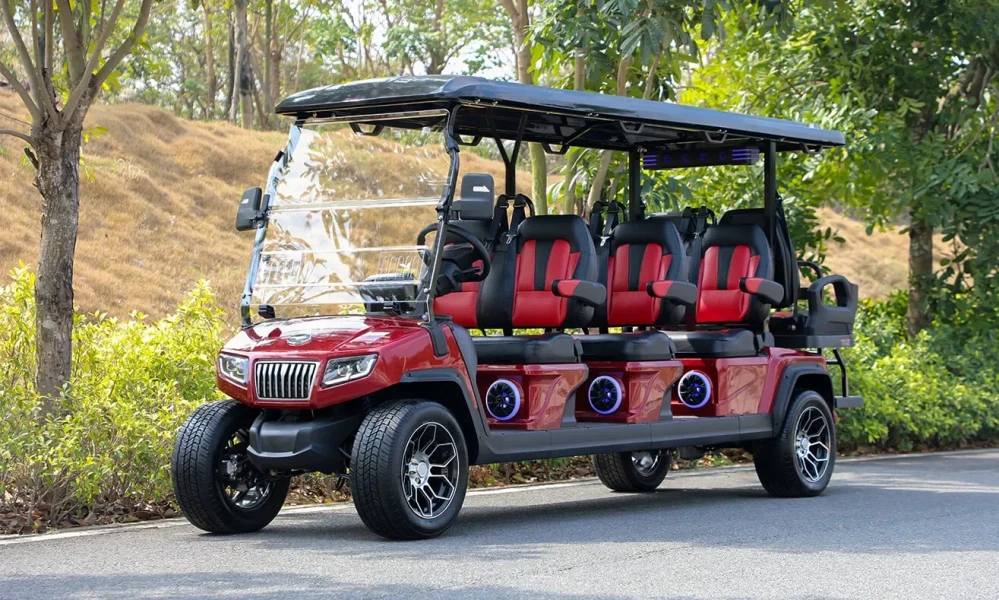
Seating is one of the first specs buyers fixate on — but the right number depends less on "how many people" and more on "what's in the vehicle besides people." This guide compares the three common layouts and where each one earns its keep.
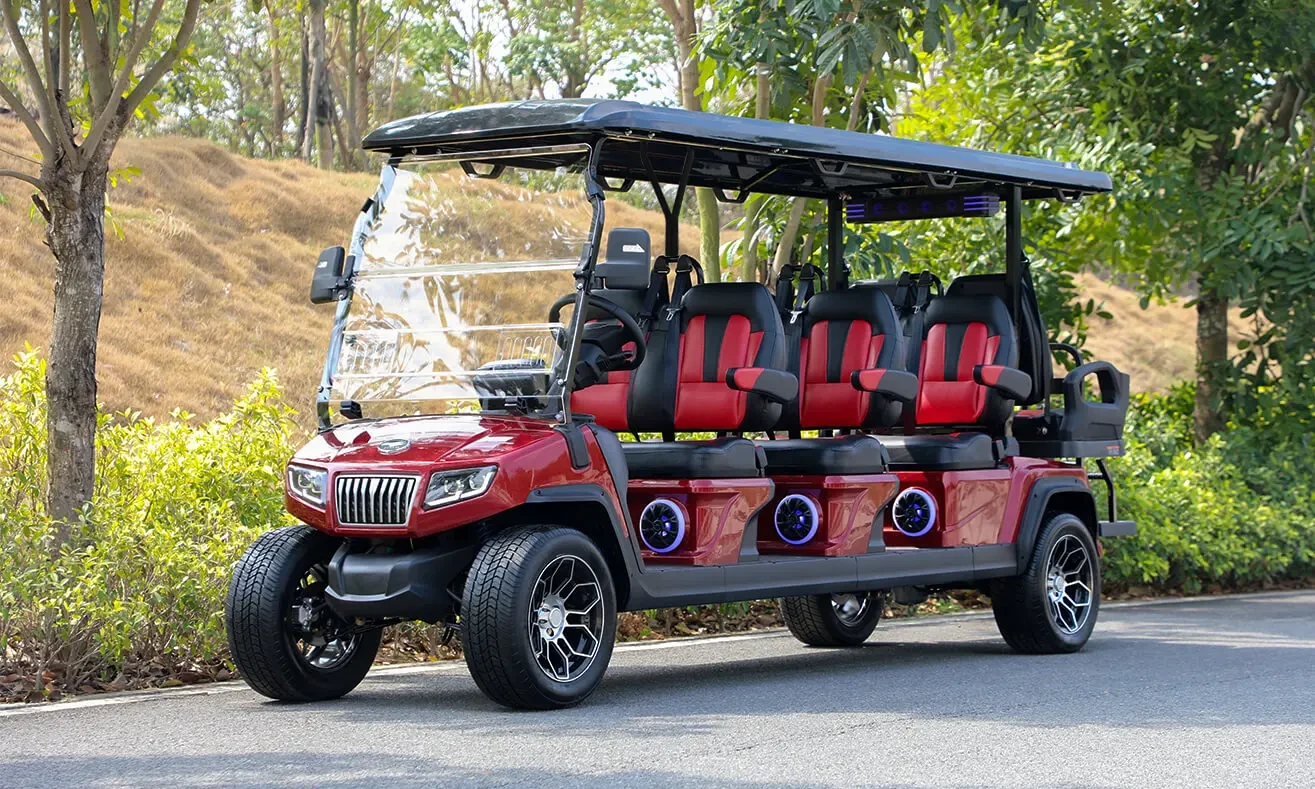
2-seater: the efficient solo/work cart
Best for: grounds staff, maintenance runs, a single golfer, tight storage.
Smallest footprint, easiest to park and trailer.
Lightest draw, longest range per charge.
Limited if you ever need to carry passengers or bulky cargo.
If the cart is a tool more than a people-mover, the 2-seater is hard to beat. Many commercial series vehicles start from a 2-seat work base.
4-seater: the all-rounder
Best for: families, small resorts, communities, most first-time buyers.
Carries a couple of adults plus kids or guests.
Usually includes a rear cargo area or flip-down seat for gear.
Still compact enough for paths, garages and clubhouse lanes.
This is the default recommendation for mixed use. The personal series and golf series both offer 4-seat configurations.
6-seater: shuttle and large-property duty
Best for: shuttles, large resorts, campsites, multi-generation households.
Moves a full group in one trip.
Longest wheelbase — less nimble in tight spots.
Higher draw and bigger storage footprint.
Choose a 6-seater only if you regularly fill it. An under-used 6-seater just means more vehicle to charge, park and maintain.
Seating vs payload: the trade-off nobody mentions
Every seat is weight the motor must move and the suspension must carry. A 6-seater loaded with passengers has less spare capacity for cargo than a 4-seater with the rear seat folded. Think about your worst-case day: a community event, a tournament, a moving day. Spec for that, not the average Tuesday.
Footprint and storage reality check
| Layout | Typical length | Parking need |
|---|---|---|
| 2-seater | ~2.3 m | 1 car space |
| 4-seater | ~2.7 m | 1 car space |
| 6-seater | ~3.4 m | 1.5 car spaces |
Measure your garage or storage bay before committing — a 6-seater that doesn't fit is an expensive mistake.
How dealers can help
A good dealer will confirm seating options, lead time and whether a configuration is type-approved for road use in your market. Our guide to choosing a golf cart dealer covers the questions to ask before you sign.
See all layouts in the HDK product center.