


Electric Utility Carts for Farms, Warehouses & Campuses: Use Cases & Specs
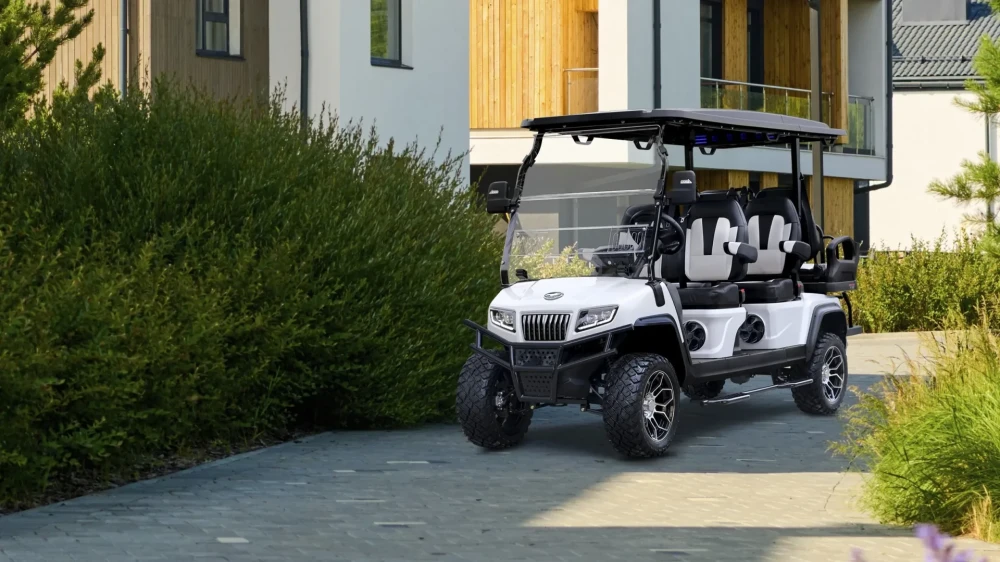
Utility carts are where electric low-speed vehicles quietly win. They move tools, parts, produce and people across sites where a car is overkill and a wheelbarrow is too slow. This guide covers where they pay off, what to spec, and how they differ from a leisure golf cart.
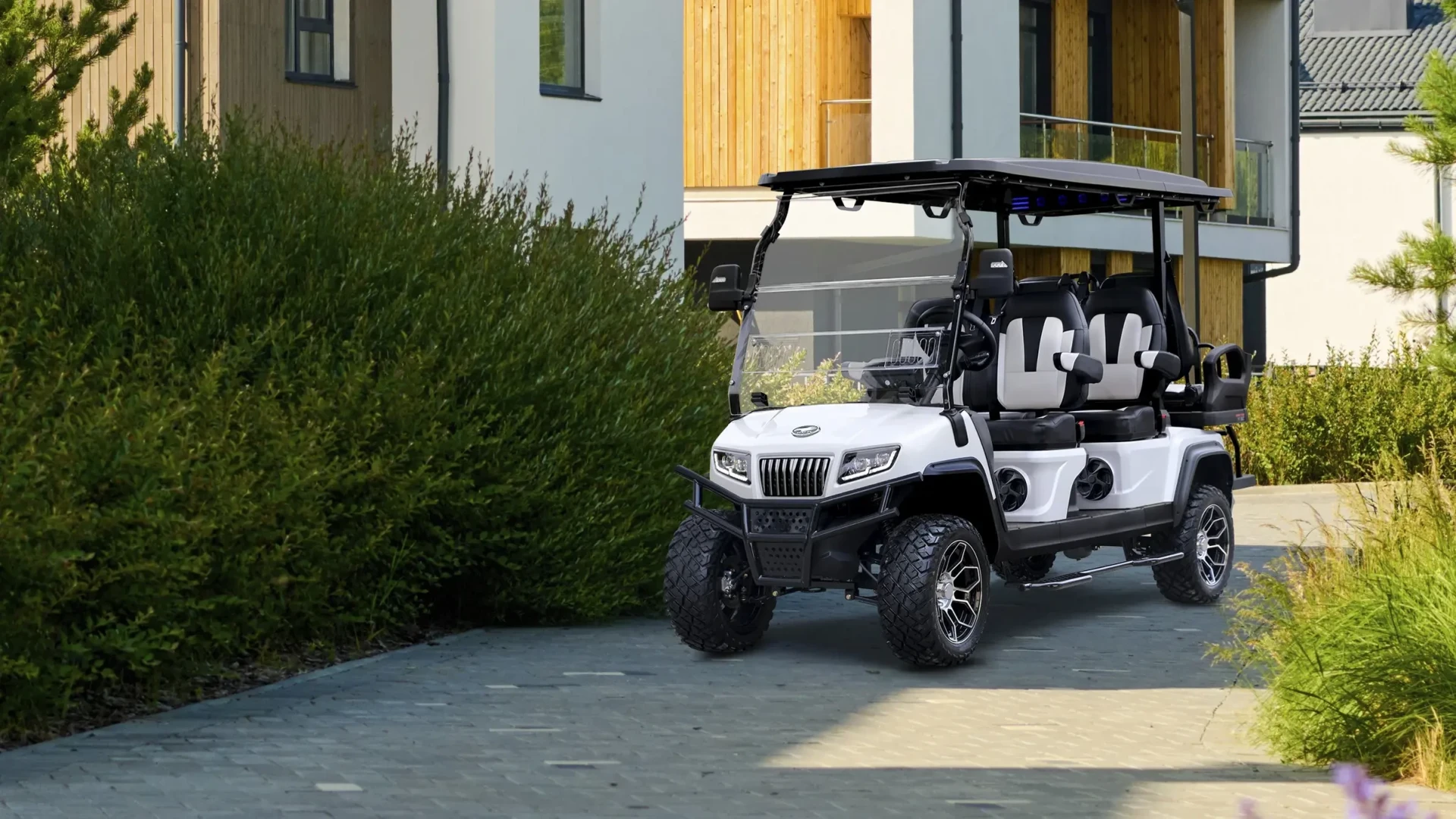
What counts as a utility cart?
A utility cart is a low-speed EV built around a flat bed, cargo box or dedicated hauling frame rather than passenger seats. It trades plush seating for payload, torque and durability. Think of it as the electric successor to the petrol UTV — but quieter, cheaper to run and indoor-safe.
Use case 1: Farms and smallholdings
Moving feed, fencing gear, tools and harvested produce between paddocks.
Checking livestock without disturbing them (electric = near-silent).
Spraying or irrigation runs where a 4×4 is wasteful.
Look for: high payload rating, robust suspension, all-terrain tyres, and a pack sized for long loops.
Use case 2: Warehouses and logistics yards
Shuttling parts across large floors or between buildings.
Indoor use with zero exhaust — safe around staff and stored goods.
Last-metre delivery on large sites.
Look for: tight turning circle, regenerative braking, and a low, stable load floor.
Use case 3: Campuses, resorts and facilities
Grounds and maintenance crews carrying gear between buildings.
Event setup and cleanup on large properties.
Quiet operations where noise matters (hospitals, schools, hotels).
Look for: road-approval option (if crossing public paths), weather protection, and fleet-friendly charging.
Specs that actually matter
| Spec | Why it matters |
|---|---|
| Payload (kg) | Dictates what you can legally and safely carry |
| Motor power (kW) | Hill climbing and acceleration under load |
| Battery capacity (kWh) | Range per shift, not per day |
| Bed / box dimensions | Whether your typical load fits |
| Type approval | Whether it can leave private land |
Utility cart vs LSV vs UTV
These terms overlap and confuse buyers. The short version: a utility cart is shaped for cargo; an LSV / L7e is shaped (and certified) for road use; a UTV is the petrol ancestor. HDK builds all three shapes with electric drivetrains — see the electric utility vehicle overview and the low-speed EV page.
Why electric beats petrol here
Lower running cost per kilometre, no exhaust in enclosed spaces, far less vibration (kind to fragile cargo), and minimal scheduled maintenance. For multi-shift sites, the HDK commercial series is engineered for exactly this duty.
Browse configurations in the product center.