

The Complete Guide to Choosing the Best Electric Golf Cart in 2026
When investing in a personal or commercial transport solution, finding the right vehicle can feel overwhelming. With advancements in battery technology, smart features, and customization options, modern electric golf carts have evolved far beyond basic utility. Whether you are looking for a street-legal ride for your neighborhood or a rugged vehicle for a resort, this guide walks through the decisions that matter most.
1. Determine Your Primary Usage
Before looking at specs, define where and how you will use the cart. The best choice for a quiet neighborhood is very different from the best choice for a working farm or a beachside resort.
· Neighborhood Cruising: Look for Street-Legal Low-Speed Vehicles (LSVs) equipped with complete light kits, seat belts, and windshield wipers.
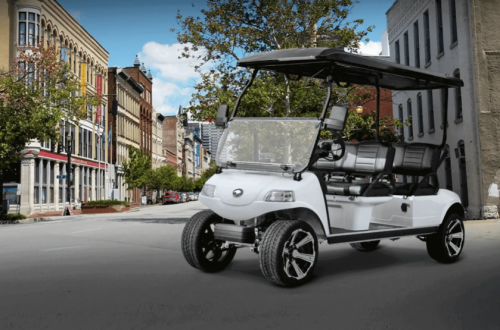
· Resort and Hospitality: Prioritize passenger comfort, smooth suspension, and configurations like 4-seater or 6-seater options, such as the Classic 4 or Carrier 6.
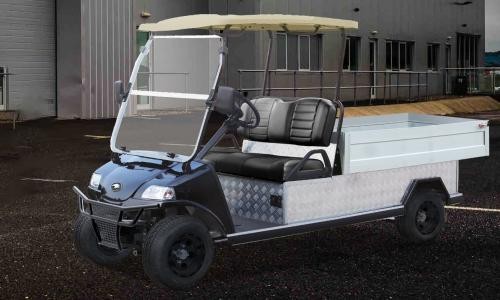
· Utility and Cargo: Focus on heavy-duty performance, towing capacity, and open cargo beds.
2. Battery Technology: Lithium vs. Lead-Acid
Battery tech dictates performance, maintenance, and lifespan, so it deserves careful thought.
· Lithium Batteries (Recommended): Offer faster charging times, zero maintenance, longer lifespans, and consistent power output even when running low. Most modern HDK models utilize reliable 48V lithium setups.
· Lead-Acid Batteries: Traditional and initially cheaper, but heavier, slower to charge, and require regular fluid maintenance.
3. Power and Performance Specs
Pay close attention to the motor and controller capabilities. A robust setup, such as a 6.3 kW AC motor paired with a 400A controller, ensures excellent hill-climbing power, smooth acceleration, and reliable top speeds. For hilly properties or heavy passenger loads, do not underestimate torque.
4. Seating, Comfort, and Customization
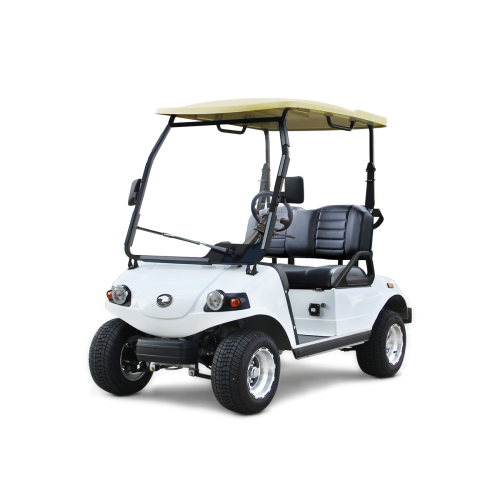
Think about who rides and how often. Two-passenger cruisers suit couples and quick errands, while 4- to 6-seat models handle families, guests, and staff. Comfort features such as padded seats, canopies, and enclosures matter for daily use, and color or branding options help the cart fit its environment, from a coastal cottage to a corporate campus.
5. Street-Legal Requirements
If you plan to drive on public roads, confirm the cart meets local LSV standards: DOT-approved windshield, seat belts, headlights, taillights, turn signals, mirrors, and horn. Buying a model already built to these specs saves costly retrofits later.
6. Budget and Total Cost of Ownership
Price is only part of the story. A cheaper cart with a lead-acid battery and limited support can cost more over three years than a better-built lithium model with lower running costs. Factor in energy, maintenance, expected battery replacement, and resale value. For business buyers, the productivity gained from reliable daily transport often justifies a slightly higher upfront spend.
7. Warranty and After-Sales Support
A cart is a long-term purchase, so the backing matters as much as the spec sheet. Review the warranty length, what it covers, and how service is handled in your region. Buy from a supplier with clear documentation, available spare parts, and responsive support so a future issue becomes a quick fix rather than a prolonged downtime.
8. Where to Buy and How to Test
Whenever possible, see the cart in person or request a demonstration. A short ride reveals comfort, braking, and build quality that photos cannot. Ask about delivery, assembly, and local compliance for street-legal use. Taking these steps turns an overwhelming choice into a confident one.
Common Mistakes to Avoid
Buyers often over-focus on sticker price and under-focus on fit. A cart that lacks the right seats, lights, or battery will cost more in retrofits and frustration. Others ignore local street-legal rules until after purchase, then cannot use the cart where they intended. The simplest safeguard is to start from your actual routes and passengers, then match specs, rather than falling for the longest feature list.
Frequently Asked Questions
Should I buy lithium or lead-acid for a personal cart?
For most buyers, lithium is the better long-term choice. It charges faster, needs no watering, weighs less, and lasts several times longer. Lead-acid costs less upfront but adds maintenance and replacement expense over the cart's life.
How much passenger capacity do I need?
Choose based on typical riders. A 2-seat cart covers most neighborhood errands, while resorts and large properties often prefer 4- or 6-seat versions to move groups and luggage together without multiple trips.
Can I customize the cart after purchase?
Yes. Common upgrades include enclosures, seating, light kits, wheels, and lift kits. Check compatibility with your specific model and local regulations before modifying a street-legal vehicle.
Explore the full range of high-performance options on our Products page or contact our team for expert advice tailored to your needs.
Is a more powerful motor always better?
Not always. More power helps on hills and with heavy loads, but it is not needed for flat neighborhood cruising and can add cost. Match motor size to your terrain and typical load; a balanced 6.3 kW AC setup covers most residential, resort, and light utility needs comfortably.
Should I consider a used electric golf cart?
A well-maintained used cart can be a smart value, especially with a recent lithium battery. Inspect the battery health, frame, brakes, and wiring before buying, and confirm replacement parts are available for that model. For business use where uptime matters, a new cart with warranty and support is often the safer investment.
Get Your Free Factory Quote
Tell us your model and market — our sales team replies within 1 business day with MOQ, pricing and lead time.