


Spring Into Action: Revitalizing Your Fleet for the New Season
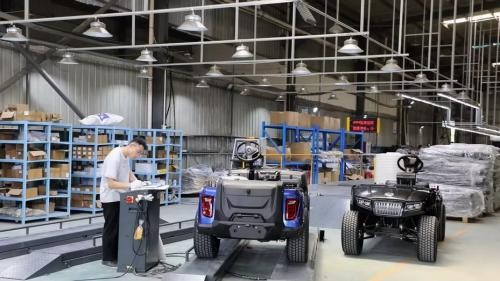
Outdoor activity surges across golf courses, resorts, and residential neighborhoods. For fleet managers and vehicle owners, winter is the ideal time to inspect, maintain, and upgrade your electric vehicle fleets before the busy season begins. A short, structured checkup now prevents downtime later, when every cart is in demand.
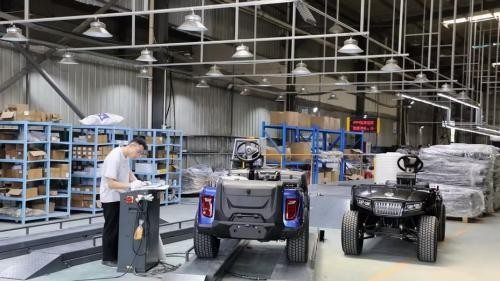
Winter Fleet Checkup Checklist
· Battery Health Check: Ensure your lithium or lead-acid setups are fully charged and ready for peak operational hours.
· Tire and Wheel Inspection: Check tire pressure and inspect 14-inch aluminum wheels for optimal traction and smooth rides.
· Brake and Light Testing: Verify that headlights, taillights, turn signals, and braking systems comply with safety standards.
· Cleaning and Storage Review: Wash away winter grime, check enclosures, and confirm chargers and cables are undamaged.
Why the Season Matters
Batteries that sat through cold months benefit from a full charge cycle and a capacity check before heavy use. Tires lose pressure over time and can develop flat spots in storage. Lights and signals that were rarely used in winter should be confirmed working before guests or residents rely on them. Addressing these items keeps your fleet compliant and presentable when first impressions count most.
Plan Upgrades While Demand Is Low
Winter is also the smart window for improvements. Swapping worn seats, adding weather enclosures, or rebranding carts with fresh decals is far easier before the spring rush. If usage patterns changed last year, consider rebalancing your mix of passenger and utility models so each vehicle earns its place in the lineup.
Get the Right Documents
Need guidance or replacement documents? Visit our Technical Support portal or download manuals from our Brochure and Document Download page. Clear instructions help your team complete the checkup consistently across every vehicle in the fleet.
Common Issues to Catch Early
A winter checkup is also the best time to spot wear before it becomes failure. Look for cracked tires, corroded terminals, sticking brakes, and loose wiring from winter movement. Replacing a worn part in spring costs far less than a roadside failure in peak season, when service windows are tight and loaner carts are scarce.
Keep a Simple Maintenance Log
Documenting each checkup, with dates and what was replaced, turns maintenance from memory into a system. A short log per vehicle helps schedule the next service, supports warranty claims, and makes handover to new staff straightforward. It is a small habit that pays back across the life of the fleet. Need guidance or replacement documents? Visit our Technical Support portal or download manuals from our Brochure and Document Download page.
Get Your Free Factory Quote
Tell us your model and market — our sales team replies within 1 business day with MOQ, pricing and lead time.