

Low-Speed Electric Vehicle (LSEV) Regulations in Europe and the US: A 2026 Buyer's Guide
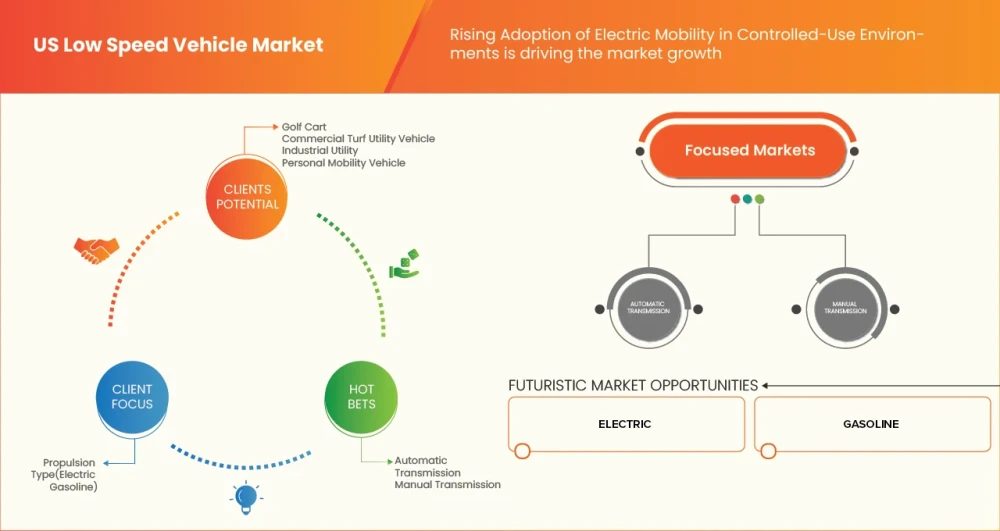
Before you import or deploy a low-speed electric vehicle, one question matters more than price: is it legal where you plan to use it? LSEV and golf cart rules differ sharply between the US and Europe — and often between regions within them.
This guide summarizes the 2026 landscape so buyers and importers can ask the right questions before committing to an order.

United States: LSVs and Street-Legal Carts
In the US, the federal category that matters is the Low-Speed Vehicle (LSV), generally a four-wheeled vehicle with a top speed of 20–25 mph. LSVs that meet federal safety standards can be permitted on many public roads with speed limits up to 35 mph.
Key points:
Exact road-use permission varies by state and even by city.
Street-legal configurations require specific equipment: headlights, taillights, turn signals, mirrors, seatbelts, windshield, and a VIN.
Standard golf carts (not LSV-compliant) are typically limited to private property, courses, and designated paths.
Europe: Quadricycle Categories and Type-Approval
Europe does not use the US "LSV" label. Low-speed vehicles are typically handled through quadricycle classifications (such as L6e light and L7e heavy quadricycles) plus national micro-car rules.
What this means in practice:
Vehicles usually need EU type-approval or national equivalent before registration.
Lighting, braking, and safety requirements are defined by category.
Individual countries add their own limits on where such vehicles may operate.
What Importers Should Check First
Before placing a container order, confirm these with your supplier and local authority:
The exact classification the vehicle qualifies for in your target market.
Required safety equipment and whether the manufacturer can supply it.
Documentation for customs, type-approval, and registration.
Whether the model has already been homologated for your region.
Why This Matters for Buyers
A cart that is perfect on a private resort may not be road-legal in town — and a road-legal LSV in one country may not qualify in another. Specifying the right configuration at the factory avoids costly rework and rejected imports.
HDK Electric Vehicle supports LSV-ready configurations and documentation for multiple export markets. Contact our team with your target country so we can confirm the compliant specification.
FAQ
Are golf carts street legal in the US?
In the US, low-speed vehicles (LSVs) that meet federal safety standards can be street-legal on roads with posted limits up to 35 mph in many states, but exact rules vary by state and municipality. Always verify locally before operating on public roads.
What classifications apply to LSEVs in Europe?
Europe regulates low-speed vehicles through frameworks such as quadricycle categories (L6e/L7e) and national micro-car rules. Requirements for lighting, braking, and registration differ by country, so importers should confirm the target market's specific type-approval.
What should importers check before buying LSEVs?
Confirm the vehicle's classification for your target market, required safety equipment (lights, seatbelts, mirrors, VIN), documentation for customs and type-approval, and whether the manufacturer can supply compliant configurations.
Get Your Free Factory Quote
Tell us your model and market — our sales team replies within 1 business day with MOQ, pricing and lead time.