

Electric vs Gas Golf Carts: Which Is Cheaper to Run for Resorts and Communities?
Choosing between an electric and a gas golf cart is no longer just a preference — it is a running-cost decision. For resorts, gated communities, and campuses, the powertrain you pick shapes your fuel bill, maintenance load, and guest experience for years.
Here is a practical comparison based on what operators actually spend.

Fuel and Energy Cost
Electricity is consistently cheaper per mile than gasoline. A cart that charges overnight at standard rates costs a fraction of what the same mileage would cost in fuel — and electricity prices are generally more stable than gasoline prices.
Gas carts also need fuel stabilizers and careful storage, especially in seasonal operations, adding small but recurring costs.
Maintenance and Downtime
Electric drivetrains have far fewer moving parts:
No oil changes, spark plugs, air filters, or fuel lines
No engine tune-ups
Regenerative braking reduces brake wear
Gas carts require routine engine maintenance and are more exposed to breakdown. Over a season of daily use, the maintenance gap becomes a meaningful line item — and a source of downtime.
Noise, Emissions, and Guest Experience
This is where the difference is most visible to guests:
Electric: near-silent, zero tailpipe emissions, no fuel odor.
Gas: audible engine noise, exhaust, and smell.
For hospitality and residential settings, quiet and clean operation is not a luxury — it is part of the experience. Many properties now specify electric precisely for this reason.
When Gas Still Wins
Gas is not obsolete. It can suit:
Remote sites without reliable charging power
Very high daily mileage where charging downtime matters
Operations already standardized on gas infrastructure
But these are narrowing cases. As lithium batteries improve range and charging speeds, the threshold where gas makes sense keeps moving.
Running Cost Verdict
| Cost factor | Electric | Gas |
|---|---|---|
| Energy / fuel | Low (per mile) | Higher, volatile |
| Maintenance | Low | Moderate–high |
| Noise & emissions | Minimal | Noticeable |
| Best for | Resorts, communities, campuses | Remote / high-mileage |
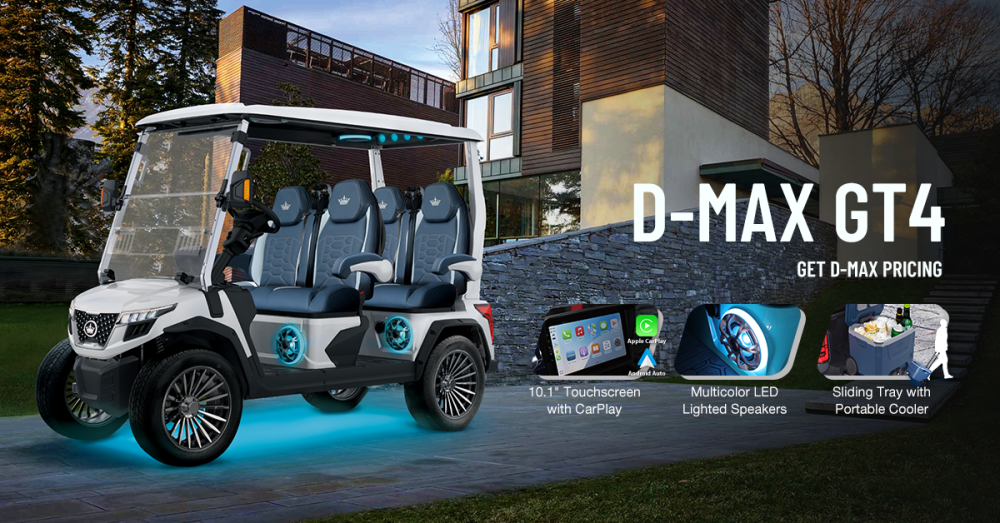
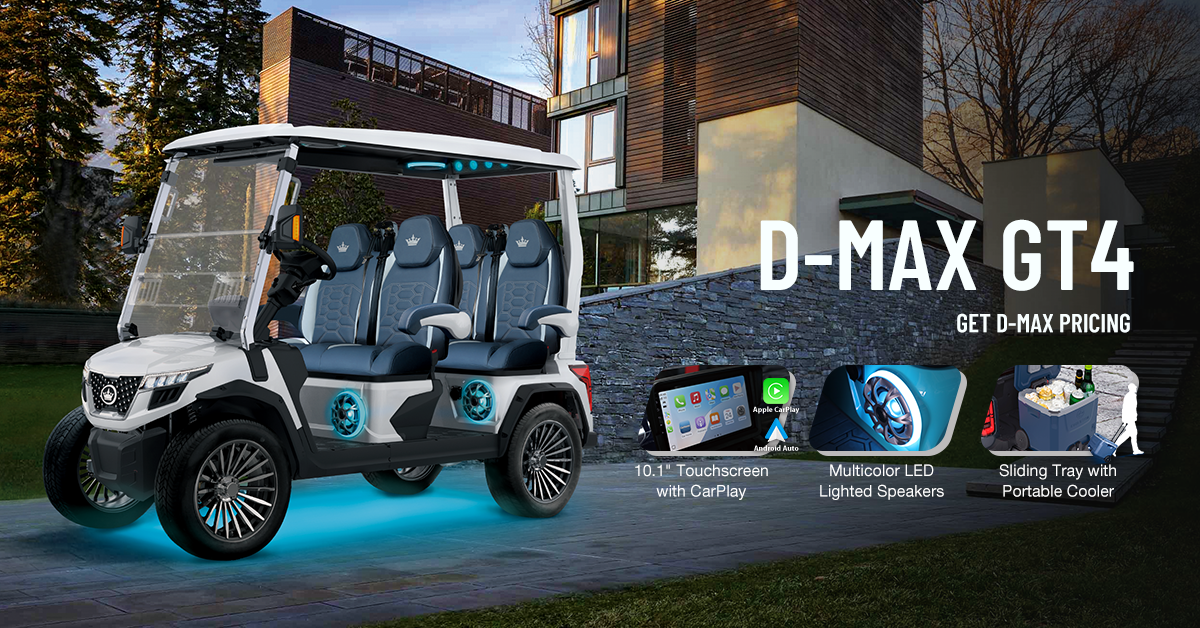
For the typical resort, community, or campus fleet, electric is the lower-cost and higher-experience choice. HDK's electric D-series, D-MAX, and utility vehicles are built for exactly these duty cycles. Request a quotation to compare configurations for your site.
FAQ
Are electric golf carts cheaper to run than gas?
In most daily-use scenarios, yes. Electricity is cheaper per mile than gasoline, electric drivetrains have fewer moving parts and less maintenance, and there are no oil changes or fuel stabilizers to manage.
Do gas golf carts still make sense?
Gas carts can suit remote sites without reliable charging power, or very high daily mileage where charging downtime is a concern. But for resorts, communities, and campuses, electric is usually the lower-cost, lower-noise choice.
Which is better for the environment and guest experience?
Electric carts are emission-free at the point of use, much quieter, and produce no fuel odor — all of which improve guest experience in hospitality and residential settings.
Get Your Free Factory Quote
Tell us your model and market — our sales team replies within 1 business day with MOQ, pricing and lead time.