

Global Golf Cart & Low-Speed EV Market 2026: Size, Growth and Where Demand Is Shifting
The golf cart is no longer just a golf cart. Across resorts, airports, university campuses, gated communities, and warehouses, low-speed electric vehicles (LSEVs) have become everyday transport — and the 2026 market reflects that shift.
For dealers, distributors, and fleet buyers, understanding where the market is growing and why matters as much as the vehicle specifications. Here is a practical 2026 outlook on the global golf cart and LSEV market.
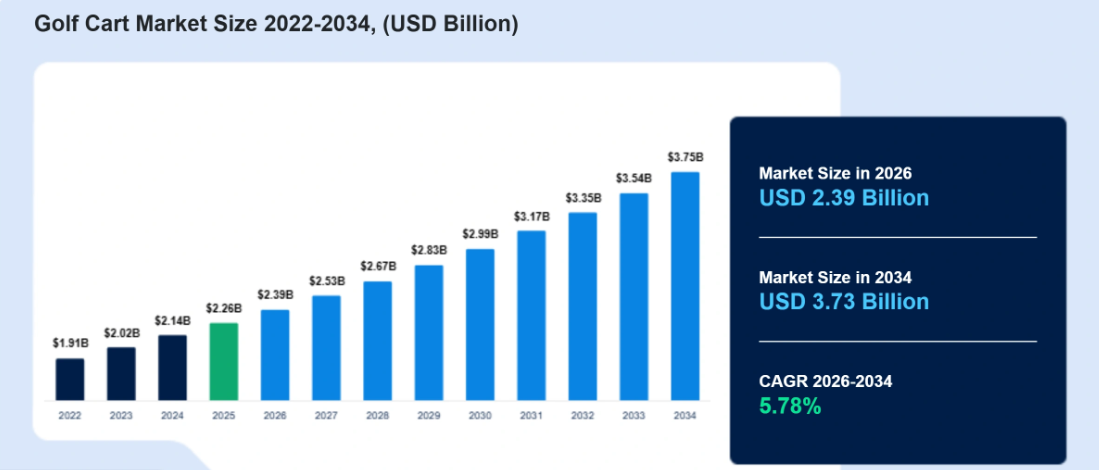

How Big Is the Market?
The global golf cart and low-speed electric vehicle market sits in the multi-billion-dollar range and continues to grow year over year. Several independent industry trackers project a healthy compound annual growth rate through the end of the decade, supported by both replacement demand (older fleets retiring) and new-use-case demand (vehicles deployed where they were rarely used before).
Two things separate 2026 from earlier years:
Electrification is now the default. Lithium battery vehicles are taking share from both gas carts and legacy lead-acid electric carts.
Usage has broadened. Demand is no longer concentrated on golf courses — it spans hospitality, logistics, municipal services, and personal neighbourhood transport.
Three Forces Driving Growth
1. Electrification and Lithium Adoption
Battery technology is the single biggest market driver. Lithium iron phosphate (LiFePO4) packs charge faster, last longer, and need almost no maintenance compared with lead-acid. For operators running vehicles daily, the lifetime cost math increasingly favors electric — and that pulls the whole market toward LSEVs.
2. Micro-Mobility and Last-Mile Transport
As cities and private campuses look to cut congestion and emissions, low-speed electric vehicles fill a gap between walking and full-size cars. Airports, ports, and large industrial sites use them for staff movement; resorts and theme parks use them for guest shuttles.
3. Tourism and Hospitality Rebound
Post-pandemic travel recovery has pushed hotels, resorts, and tourist destinations to refresh and expand their people-mover fleets. Guest experience is now a competitive factor, and a clean, quiet, well-designed electric cart signals quality.
Where Demand Is Shifting
Regional patterns in 2026 look like this:
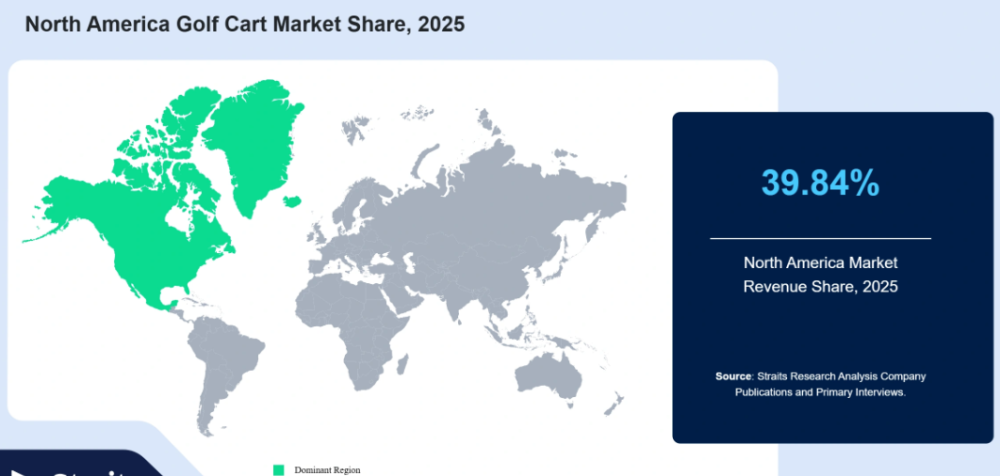
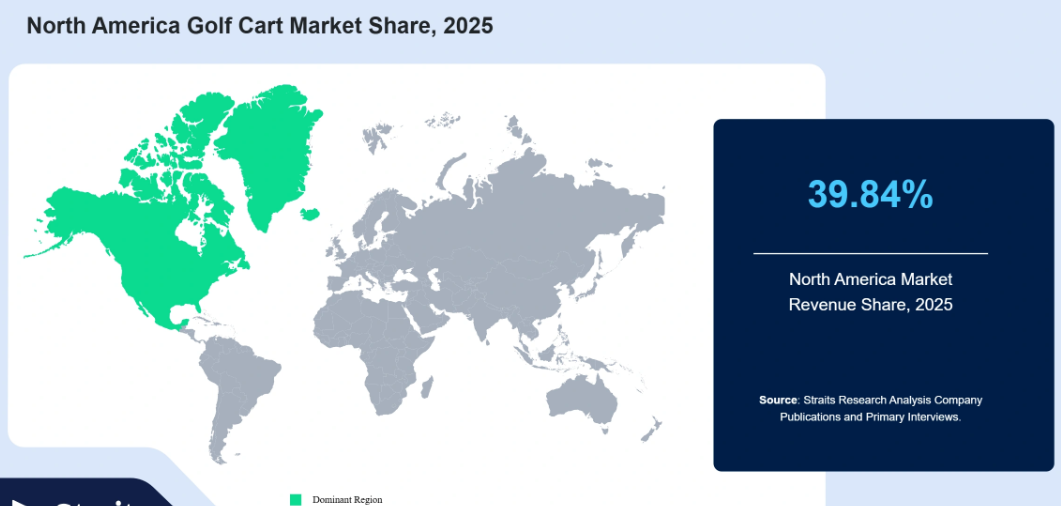
North America — the largest and most mature market, with strong replacement cycles and a deep dealer network.
Europe — fast growth driven by low-emission zones, green procurement, and resort electrification.
Asia & the Middle East — rapid expansion on tourism infrastructure, new communities, and mega-event preparation.
Latin America — rising demand from gated communities, plantations, and commercial estates.
What This Means for Buyers and Dealers
If you are sourcing or selling in 2026, the market outlook translates into a short checklist:
Prioritize lithium-capable platforms so your fleet stays competitive on operating cost.
Stock or specify multi-purpose configurations (passenger + cargo) to cover more use cases.
Treat after-sales and spare parts as a buying criterion — fleet uptime depends on it.
Work with a manufacturer that supports OEM customization for your local market.
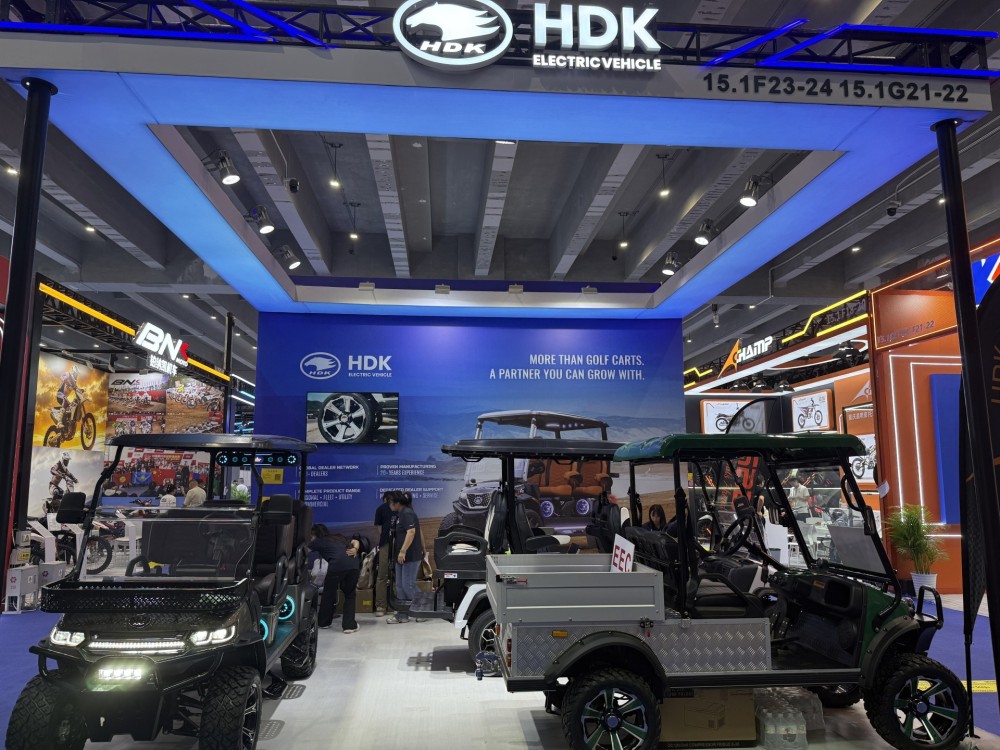
At HDK Electric Vehicle, we build passenger carts (D2, D3, D5, D-MAX) and utility vehicles (TURFMAN, CARRIER) configured for exactly these regional and fleet needs. Contact our team for 2026 catalogs and dealer programs.
FAQ
How big is the global golf cart market in 2026?
Industry estimates place the global golf cart and low-speed electric vehicle market in the multi-billion-dollar range, with steady year-over-year growth driven by resort, campus, airport, and community mobility demand beyond the golf course.
Which regions are driving golf cart demand in 2026?
North America remains the largest and most mature market, while Europe is growing on green-mobility regulation, and Asia, the Middle East, and Latin America are expanding fast on tourism, hospitality, and new community developments.
Is the golf cart market shifting to electric?
Yes. Electrification — especially lithium battery adoption — is the dominant direction. Gas carts are declining in many markets as operators prioritize lower operating cost, less maintenance, and quieter, emission-free operation.
Get Your Free Factory Quote
Tell us your model and market — our sales team replies within 1 business day with MOQ, pricing and lead time.