


Why Type-Approved Low-Speed EVs Hold Their Value
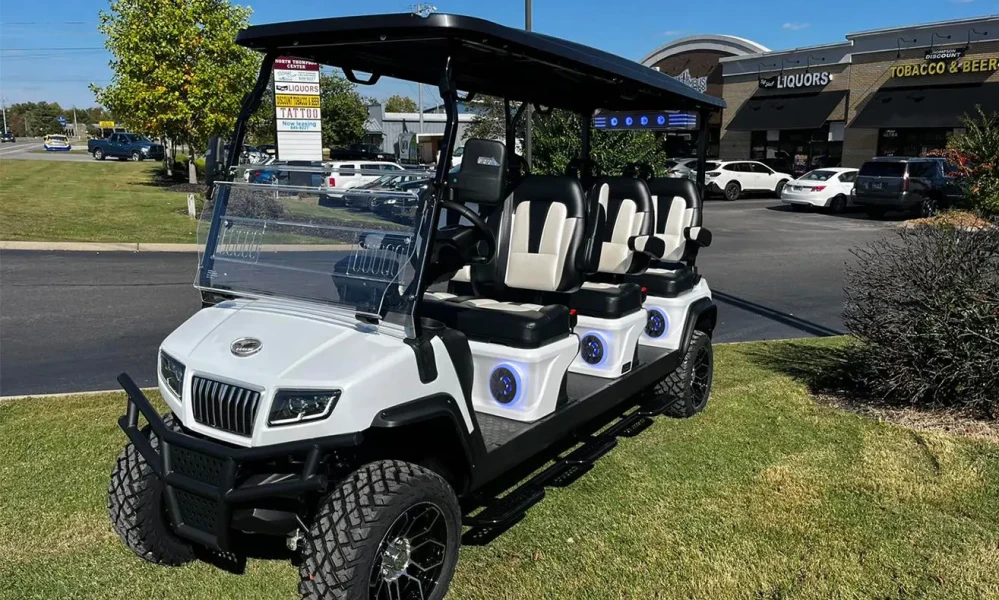
When buyers compare two similar-looking carts, the certified one almost always resells for more — sometimes dramatically more. The reason isn't the badge; it's that type approval turns a "buggy" into a registrable, insurable, resellable asset. This guide explains the value mechanics so you can buy (and later sell) smarter.
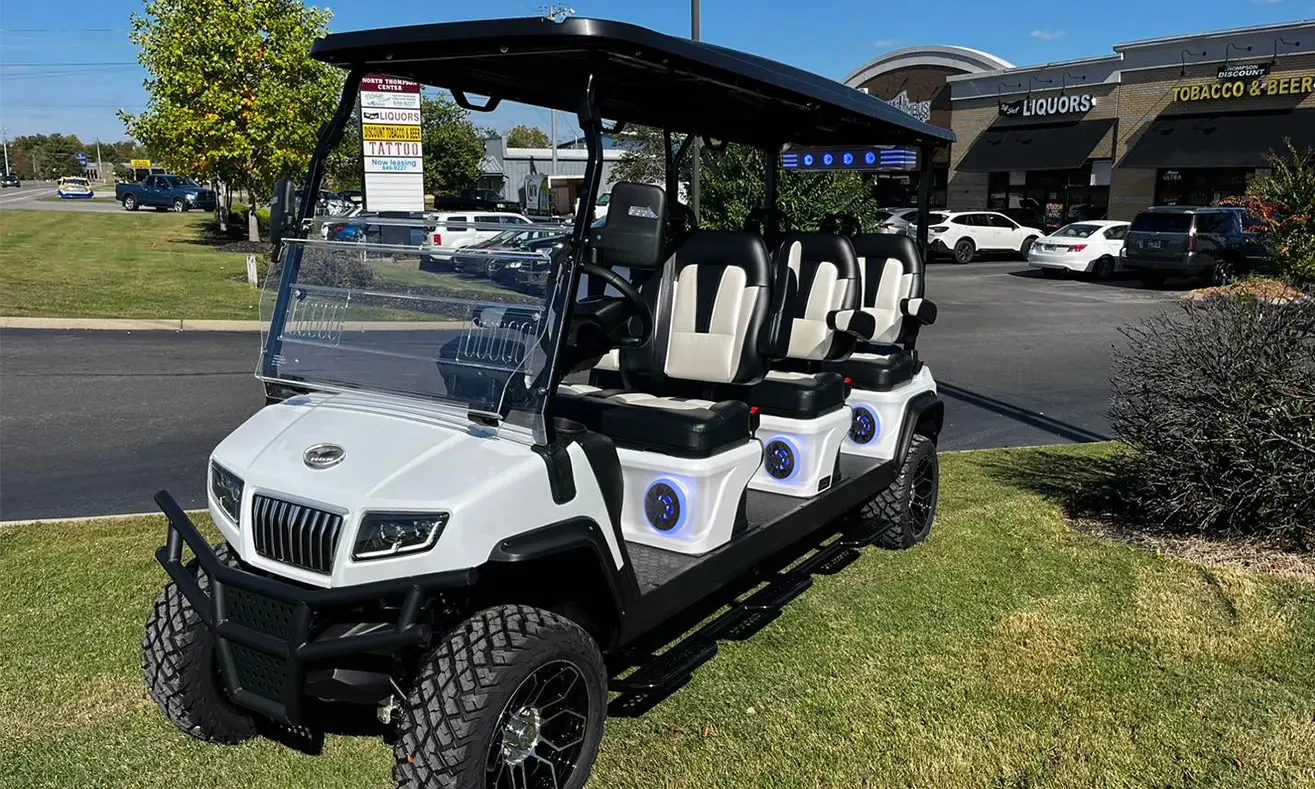
What "type-approved" actually unlocks
A type-approved low-speed EV — an L6e/L7e in Europe, an LSV under FMVSS 500 in the US — carries the documentation that lets it be:
Registered with a number plate.
Insured as a road vehicle.
Resold to the next owner without re-justifying legality.
An uncertified cart can only operate on private property and cannot be legally transferred for road use. That single limitation caps its market to a fraction of buyers.
Resale: supply of certified vs demand
Used buyers want flexibility. A certified cart serves resorts, communities and businesses that need road access; an uncertified one only serves private-land users. Smaller buyer pool + weaker utility = lower resale. Certification widens the buyer pool, which supports price.
Compliance protects the asset over time
Regulations don't disappear, and a vehicle that was non-compliant at purchase stays non-compliant at resale. A type-approved vehicle remains valid as long as the approval is current — so its "legal status" doesn't depreciate the way an uncertified cart's does. More on the rules in our street-legal explainer.
Insurance and liability
Insurable vehicles are safer to own and easier to finance or lease. For fleets and businesses, that risk coverage is often a procurement requirement — another reason certified carts command a premium and hold it.
Battery and total cost of ownership
Value isn't just resale price; it's what the vehicle costs across its life. A lithium (LiFePO4) pack with 2,000+ cycles paired to a certified chassis delivers low running cost and a healthier used value than a lead-acid, uncertified alternative. The lifetime math is in our cost and total-ownership guide.
What this means when you buy
| Buy uncertified | Buy type-approved |
|---|---|
| Lower sticker price | Higher sticker, but registrable |
| Private-land only | Road-legal per class |
| Narrow resale market | Wide resale market |
| Harder to insure | Insurable as a vehicle |
For most commercial and community buyers, the certified route wins on total value even if the ticket is higher. HDK's engineered low-speed electric vehicles are built to L6e/L7e requirements for exactly this reason.
Bottom line
Type approval is not paperwork overhead — it is what converts a cart from a depreciating toy into a registrable asset. When you buy certified and pair it with a quality lithium powertrain, you protect both uptime and resale. See the certified lineup in the HDK product center.