

OEM Electric Cart Supplier Checklist
Sourcing electric carts or low-speed EVs from an OEM is a relationship, not a one-off purchase. The right supplier protects your brand, your lead times and your warranty claims for years. This checklist covers what to verify before you sign, whether you are a distributor, a resort group or an industrial buyer building a private-label line.

1. Manufacturing and certifications
Confirm the factory is a real OEM with its own engineering and assembly, not a trading company reselling someone else's carts. Request certifications relevant to your market: CE for Europe, ISO 9001 for quality systems, and any local LSV or EU-type approvals your region requires for the speeds and weights you plan to sell.
Questions to ask
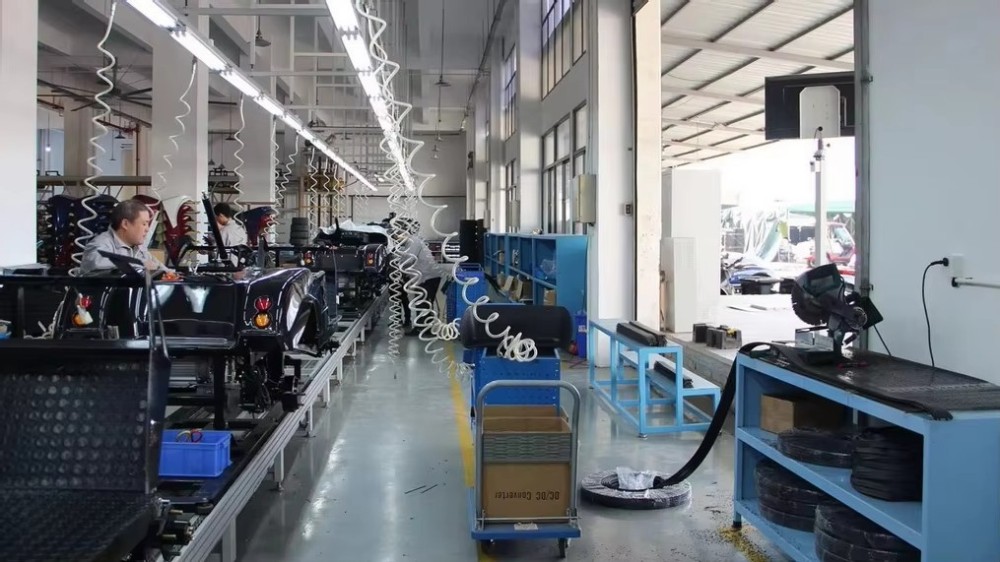
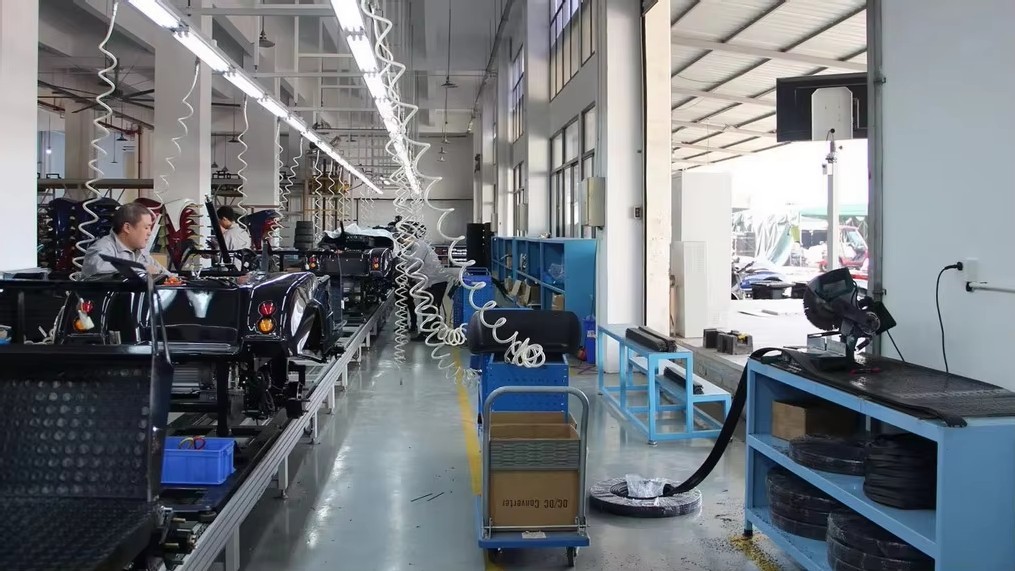
Can you show the production line and the R&D team?
Which certifications apply to my target markets?
Do you hold valid third-party test reports, not just self-declarations?
How long have you manufactured this product category?
2. Product range and customization
A broad platform covering golf, utility, personal and commercial models means shared parts and easier scaling as you grow. Check whether the OEM can customize seating, battery chemistry, branding, controllers and firmware, and whether tooling costs are reasonable for your volume.
Customization depth
Body color, logo and badging for private label.
Battery brand and capacity options.
Controller tuning for your typical terrain.
Firmware and dashboard language for your market.
3. Battery and powertrain transparency
The battery is the heart of the cart. Ask for cell grade, BMS specification, cycle-life data and warranty. A supplier vague about the BMS or unwilling to name cell brands is a red flag, because the battery is also where most warranty disputes originate.
Battery module and BMS being assembled in a clean production area
4. After-sales, spare parts and lead times
Evaluate the support network: local warehouses, spare-part availability, technical documentation and training. A long lead time on a twenty-dollar part can idle an entire fleet. Request a recommended spare-parts kit per 10 to 20 units and confirm it is actually stocked regionally.
| Support element | What good looks like |
|---|---|
| Spare-part stock | Regional warehouse, not factory-only |
| Documentation | Wiring diagrams and manuals in English |
| Training | Operator and technician sessions |
| Warranty claims | Clear process with SLA |
Service level essentials
Spare-part stocking plan for your region.
Wiring diagrams and service manuals in English.
Remote troubleshooting and a named warranty contact.
5. Logistics, packaging and incoming quality
A great cart that arrives damaged or late can still lose the sale. Confirm how the OEM packs for your mode of transport (full container, LCL or air), whether crating is knock-down or fully assembled, and how batteries are handled and documented in transit. Equally important is an incoming-inspection protocol: define what you check on arrival so a batch problem is caught in your warehouse, not after a customer complaint.
What a good supplier provides
A clear packing list with serialized cart identifiers.
Battery transport and compliance documentation.
A recommended incoming-inspection checklist.
Spare-part codes that match your warehouse system.
Consistency across production batches
Ask how the OEM controls variation between runs, because a cart that passes audit in month one but drifts by month six becomes your warranty problem. Request batch test records and a change-control note before any component swap, so you are never surprised by a silent specification change mid-contract.
6. Commercial terms: MOQ, pricing and IP
Clarify minimum order quantity, price breaks, payment terms and who owns the tooling and designs. Protect your brand with clear IP and private-label clauses, and confirm the supplier will not sell your exclusive model to a competitor in the same region during the contract term.
7. References and track record
Ask for references in markets similar to yours and verify them with a call, not just an email. A supplier with two decades of history and a dealer network in 60-plus countries is lower risk than a low-price newcomer with no track record and no service footprint.
8. Red flags to walk away from
No physical factory or reluctance to show it.
Vague battery and BMS specifications.
No regional spare parts and long lead times.
Refusal to put IP and exclusivity in writing.
Price far below market with no explanation.
Frequently asked questions
What MOQ should I expect for private label?
It varies by customization, but a serious OEM typically supports a modest first order with a clear path to volume pricing. Be wary of either 'no MOQ at all' (often a trader) or an MOQ so high it locks you in before you validate demand.
How do I protect my exclusive model?
Put territorial exclusivity and tooling ownership in the contract, require written confirmation that the design will not be sold to named competitors, and register your brand in your markets.
Is certification the supplier's job or mine?
The supplier should provide valid test reports and supporting documentation; final market certification and registration are usually the importer's responsibility. Clarify this split before signing to avoid surprise costs.
9. Why buyers partner with HDK
HDK has manufactured electric golf carts, utility and personal vehicles since 2003, with a broad platform, OEM and private-label capability and dealers in 60-plus countries. We provide certifications, transparent battery specs, spare-part kits and regional support. Use this checklist in your next supplier audit, and contact our team for a capability package tailored to your market and volume.