


The Complete Electric Golf Cart Maintenance Guide
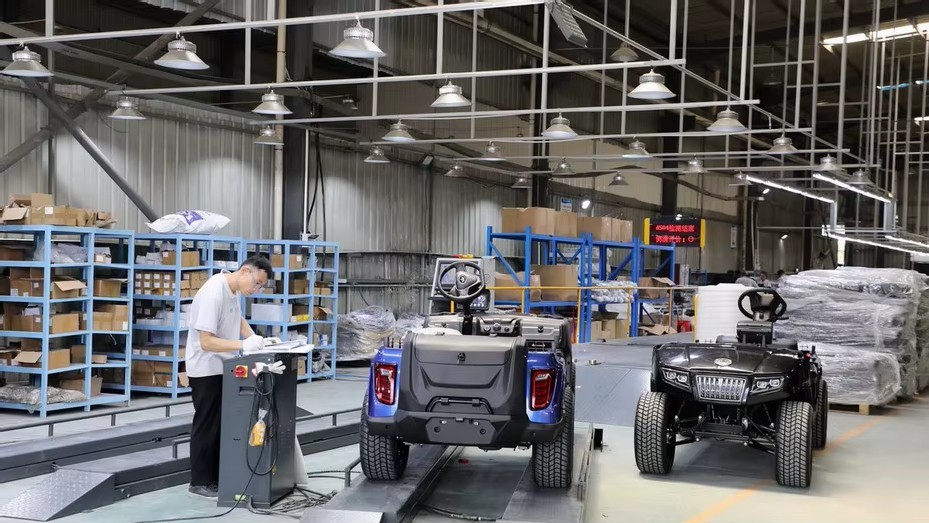
An electric golf cart is simple, but simple does not mean maintenance-free. A light, regular routine keeps it safe, extends battery life and avoids the kind of breakdown that strands guests or stops a shift. This guide is the checklist our service teams hand to new operators, written so anyone can follow it without a mechanical background.
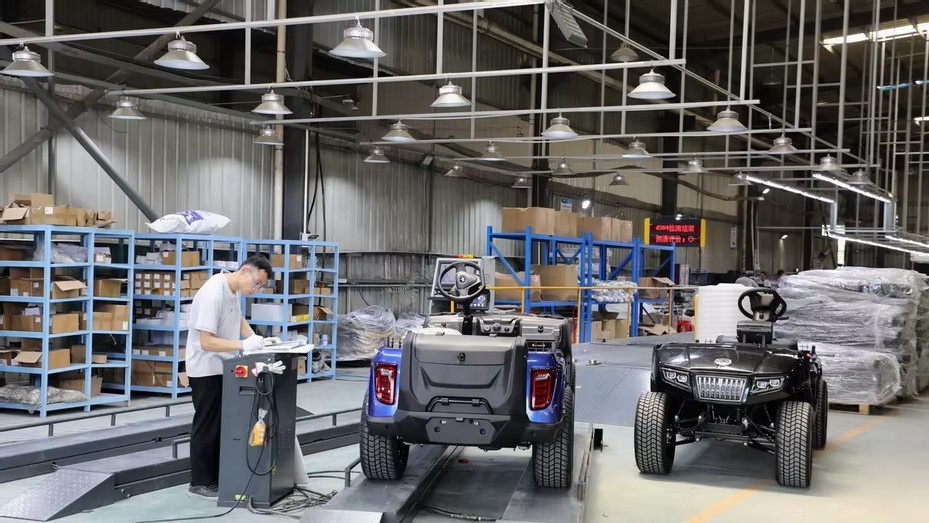
1. Battery care - the 80% that matters
The battery is the most expensive component and the easiest to protect. Lithium packs need far less than lead-acid, but the basics still apply, and a little attention here prevents the most expensive failure on the vehicle.
Lithium pack care
Keep state of charge between 20% and 90% for daily use; avoid full discharges.
Charge after each shift; avoid leaving it empty for days.
Keep terminals and connectors clean and dry.
Inspect the BMS display for fault codes monthly.
Store at about 60% charge if unused for a season.
Lead-acid care (if equipped)
Check water levels monthly; top up with distilled water after charging.
Equalize per the manufacturer schedule.
Never let plates sit exposed; sulfation is permanent.
Charge immediately after use; do not store discharged.

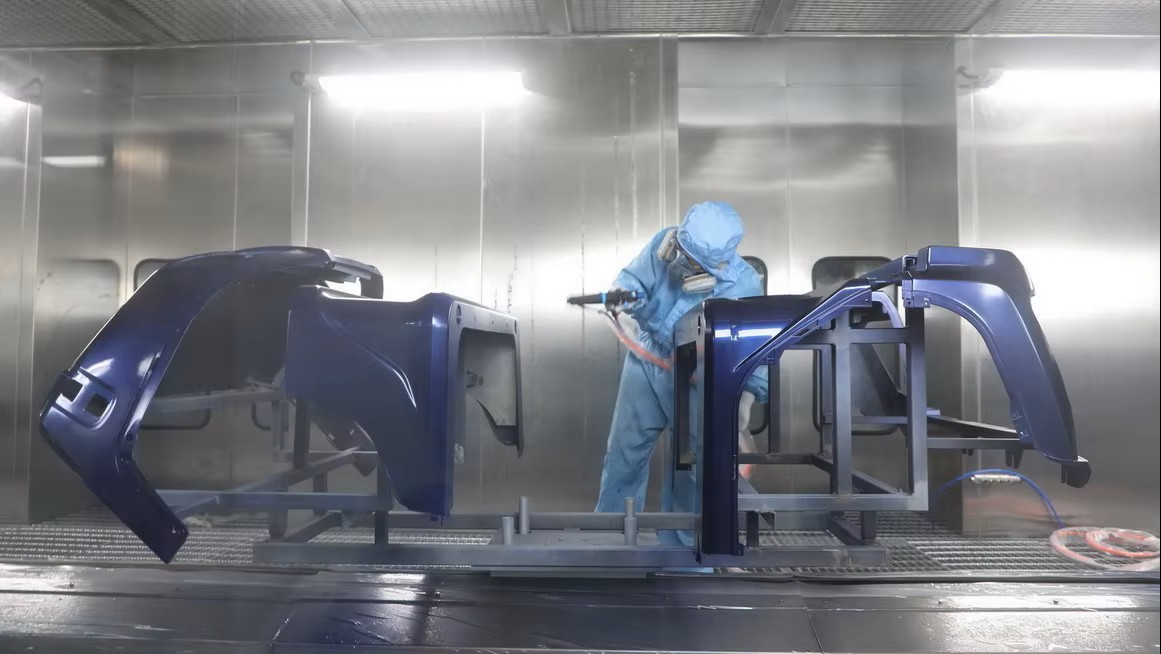
2. Tires and suspension
Check pressure weekly; under-inflation scuffs tires and drains range. Look for sidewall cracks, uneven wear and loose lug nuts. On utility carts, balance the load so one side does not overload the suspension. Rotate or replace tires in pairs to keep handling predictable.
Tire pressure quick rule
Use the pressure stamped on the sidewall, not a generic guess. Resort and utility carts often run different pressures front and rear because of varying load; check the manual and label the recommended values near the charging bay.
3. Brakes, steering and cables
Test the brake pedal feel and parking brake weekly. Inspect steering for play and listen for clicks from the suspension. Lubricate moving cables per schedule; a sticky throttle cable is a common, easily fixed fault that operators often misdiagnose as a controller problem.
4. Electrical and charging system
Inspect the charging port for corrosion or heat marks, verify the charger engages within seconds, and confirm the cart rolls freely when off (no dragging brake). Loose 12V accessory wiring is a frequent source of intermittent faults, especially after third-party light or audio installs.
5. Controller, motor and drivetrain
The controller and motor are sealed and largely maintenance-free, but they fail early when abused. Keep the motor and controller area free of grass, plastic wrap and debris that traps heat, and never pressure-wash directly into the motor housing. If the cart surges, loses power on a hill or flashes a controller code, stop and log it; pushing on usually turns a cheap fix into a burnt board.
Checks any operator can do without tools
Listen for unusual motor whine, grinding or clicking.
Feel the motor housing after a hard run; warm is normal, hot is not.
Confirm the cart does not creep when the pedal is released.
Record any dashboard fault code exactly as shown.
6. Cleaning and corrosion prevention
Wash with low-pressure water; avoid spraying directly into connectors. On coastal sites, rinse salt off weekly and apply dielectric grease to exposed terminals. A clean cart also makes inspection easier, because you can actually see new cracks or leaks.
7. Seasonal and long-term storage
For off-season storage, charge lithium to about 60%, store in a dry cool place, and reconnect monthly to top up. For lead-acid, store fully charged and boost monthly. Disconnect accessories that draw standby current, and never store a cart flat-dead for months.
8. A simple weekly 10-minute routine
Walk-around: tires, obvious damage, leaks.
Confirm charge level and that the charger engages.
Test brakes and steering.
Note any new noise in the service log.
Wipe the battery area and check for corrosion.
9. When to call a technician
Persistent BMS fault code that clears and returns.
Noticeably reduced range without a load change.
Brake pull, soft pedal or unusual grinding.
Any burning smell or hot connector during charging.
Frequently asked questions
How often should I service an electric golf cart?
A weekly visual check plus a formal service every 6 months covers most fleets. Lithium carts need less internal service but the same brake, tire and steering attention as any vehicle.
Can I leave my cart charging all the time?
With a modern lithium charger, yes; it stops at full and maintains safely. For lead-acid, avoid constant trickle charging without the correct float mode, as it can dry cells.
Why does my range drop in winter?
Cold reduces available capacity temporarily and increases rolling resistance. Keep the pack warm where possible and expect 10-20% shorter range in deep cold; it recovers as temperatures rise.
Stick to this routine and most electric carts run for years with little beyond tires and the occasional brake job. HDK provides model-specific service manuals and spare-part kits for fleet operators; ask your dealer for the schedule that matches your duty cycle.