


How to Choose an Electric Golf Cart for Your Resort
Choosing the right electric golf cart for a resort is less about horsepower and more about uptime, guest comfort and operating cost. Whether you run a beachfront hotel, a mountain lodge or a sprawling golf community, the cart on your path becomes part of the guest experience the moment they arrive. This guide walks through the factors that actually move the needle, so you can specify a fleet that stays on the road instead of in the workshop, and that looks the part when a VIP steps aboard.
1. Start with the job, not the spec sheet
Before comparing motors and batteries, list the daily tasks the cart must perform. Most resorts run several different duty cycles at once: airport and lobby transfers, housekeeping supply runs, luggage shuttles between villas, grounds and security patrol, and guest sightseeing tours. A cart that shuttles two guests with suitcases has completely different needs from one that hauls linens and cleaning gear all day.
Map the duty cycle first. Estimate the longest realistic round trip with a full load and a couple of hills, the number of trips per shift, and the passenger-to-cargo ratio. This single exercise prevents both over-buying (expensive, under-used capacity) and under-buying (carts that cannot finish a shift). Many properties find they need a mix rather than a single model.
Passenger vs utility configuration
Resorts usually need both. Passenger models in 2, 4 or 6 seats keep guests comfortable with padded seats, windshields, canopies and cup holders. Utility variants add a rear cargo bed or a flat platform for supplies. A common, flexible setup is one 4-seat passenger cart plus one 2-seat utility cart per building cluster or village zone.
Standardize where you can
Standardizing on one platform across the property simplifies driver training, spare parts and warranty claims. A mixed fleet of three brands looks cheap on paper but becomes a maintenance and inventory nightmare after year two.
2. Range and battery: match to your loop
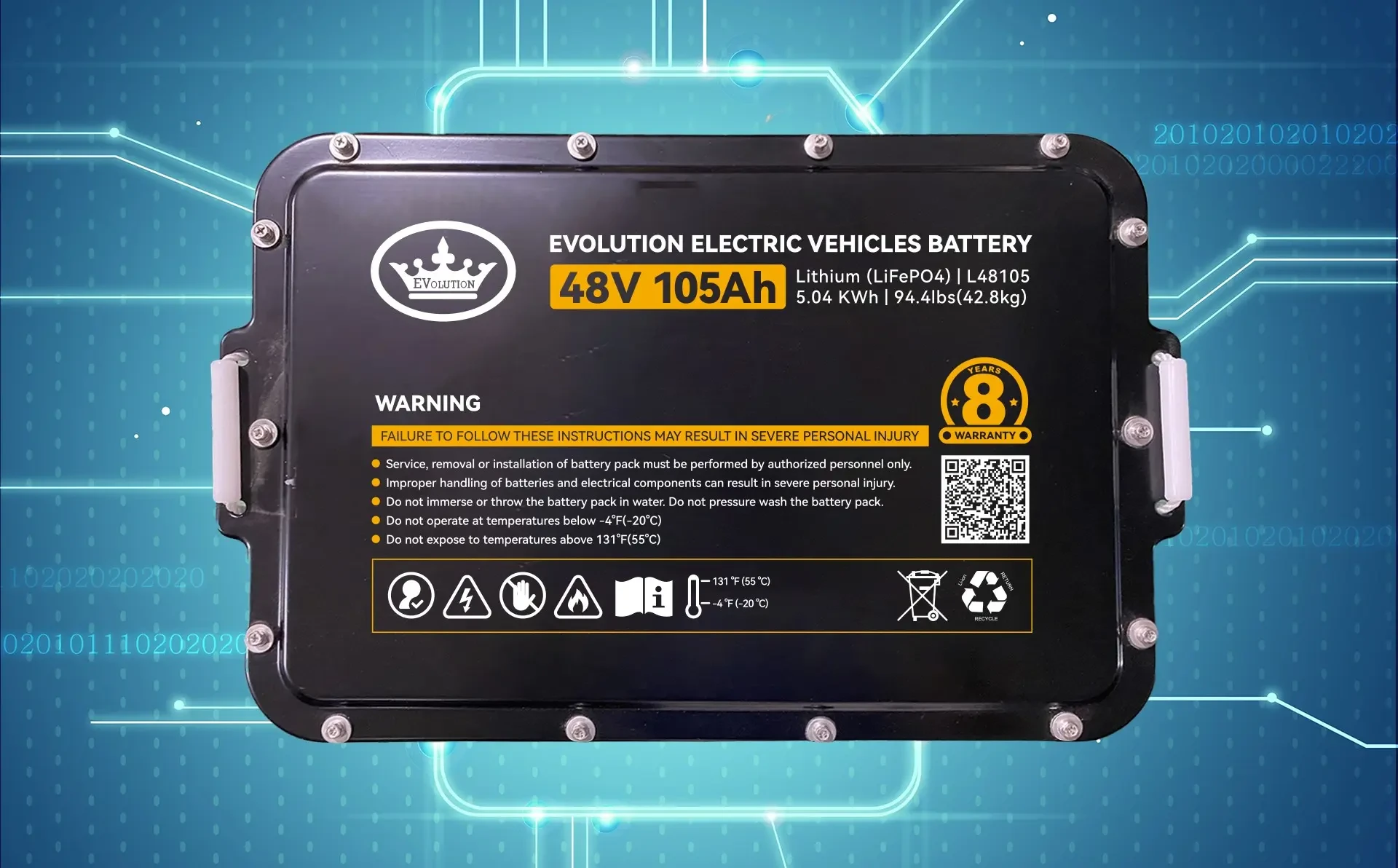
Range is the single most overlooked number in a resort cart purchase. Measure the longest realistic round trip with a full load and a few gradients, then specify for at least 1.5x that distance. A 48V lithium pack typically returns 40 to 60 miles per charge in resort conditions; lead-acid is cheaper up front but heavier, shorter-lived and slower to recharge.

Lithium vs lead-acid for hospitality
For a cart that runs a full daily shift, lithium's total cost of ownership is almost always lower by year three, despite the higher purchase price. The table below summarizes the trade-offs most operators care about.
| Factor | Lithium (LiFePO4) | Lead-acid |
|---|---|---|
| Purchase price | Higher | Lower |
| Cycle life | 2,000+ cycles | 500-800 cycles |
| Charge time | 2-4 hours, opportunity charge OK | 8+ hours, full charge needed |
| Maintenance | Near zero | Watering, equalizing |
| Weight | Lighter (more payload) | Heavier |
| 3-year TCO | Lower | Higher |
3. Terrain, gradient and tires
Coastal resorts are flat and forgiving; hillside properties need a higher-torque motor and regenerative braking to protect the pack on long descents. Match tires to the surface: turf tires for lawns and golf paths, all-terrain tread for gravel service roads. Undersized motors on steep sites overheat and silently destroy range.
Also consider ground clearance. Properties with speed bumps, root-heaved paths or beach access ramps need more clearance than a standard cart provides. Ask the supplier for the under-axle dimension, not just the marketing photo.
4. Charging and overnight turnaround
Plan charging around your quiet hours. Lithium carts can top up during a 30-minute staff break, which means one cart can serve two shifts with a midday charge. Lead-acid needs a full overnight window. Provide a dedicated, weatherproof charging bay per three to four carts, label each bay, and build a simple checkout so no cart starts a shift unplugged.
Charging infrastructure checklist
Dedicated circuits sized for the charger, not shared with kitchens or laundry.
Ventilated, sheltered bays away from guest walkways.
A visible status light so staff can see 'charging' vs 'ready' at a glance.
A spare charger or two so one fault never grounds the whole fleet.
5. Comfort, safety and branding
Guest-facing carts should include seat belts on forward-facing seats, a certified canopy, headlights and turn signals for mixed pedestrian and vehicle zones, and clear branding. A well-presented cart is a moving billboard; a rattling one is a complaint waiting to happen. For tours, add a PA or at least a clear route board.
Accessories that pay back
Rear-facing jump seats to flex between 2 and 4 passengers.
USB charging ports for guest devices on tour loops.
A fold-down cargo rack for the housekeeping shift.
Weather enclosures for rainy-season or coastal properties.
6. Total cost of ownership, not sticker price
Build a simple TCO model that includes purchase, battery replacement, energy, scheduled maintenance and downtime. A cart that costs 20% more but loses half its days to faults is the expensive one. Ask suppliers for references at resorts running the same model in similar conditions, and verify the reference is real.
7. Common mistakes to avoid
Buying on price alone and ignoring battery chemistry.
Forgetting spare-part lead times for a single-source component.
Skipping a duty-cycle assessment and over-specifying capacity.
Mixing brands so training and parts multiply.
8. Why buyers choose HDK for resort fleets
HDK builds electric golf carts, low-speed utility vehicles and personal models from a single platform, so a resort can standardize spare parts and training across the property. With dealer support in 60-plus countries and configurable seating, battery and branding options, the fleet scales as the property grows. Our team can run a duty-cycle assessment with you before you buy, so the specification matches your terrain and guest volumes rather than a generic brochure.
Frequently asked questions
How many carts does a mid-size resort need?
A useful rule of thumb is one passenger cart per 40-60 rooms plus one utility cart per building cluster, adjusted after you map the actual loops. Start lean and add units as data comes in; most properties over-buy in year one.
Is lithium worth the extra cost for a seasonal resort?
Yes, even for seasonal use. Lithium tolerates long storage far better than lead-acid and avoids the sulfation that kills stored lead-acid packs, so your carts are ready on opening day without a battery replacement.
Can one cart serve both guests and housekeeping?
With a fold-down rear rack and removable guest seats, yes for light duty. For heavy or frequent housekeeping loads, a dedicated utility cart is safer and keeps the guest carts presentable.
Ready to spec your fleet? Contact our dealer team for a configuration worksheet and a quote matched to your terrain and guest volumes.