


Electric Utility Cart vs Gas: Which Is Right for Your Operation
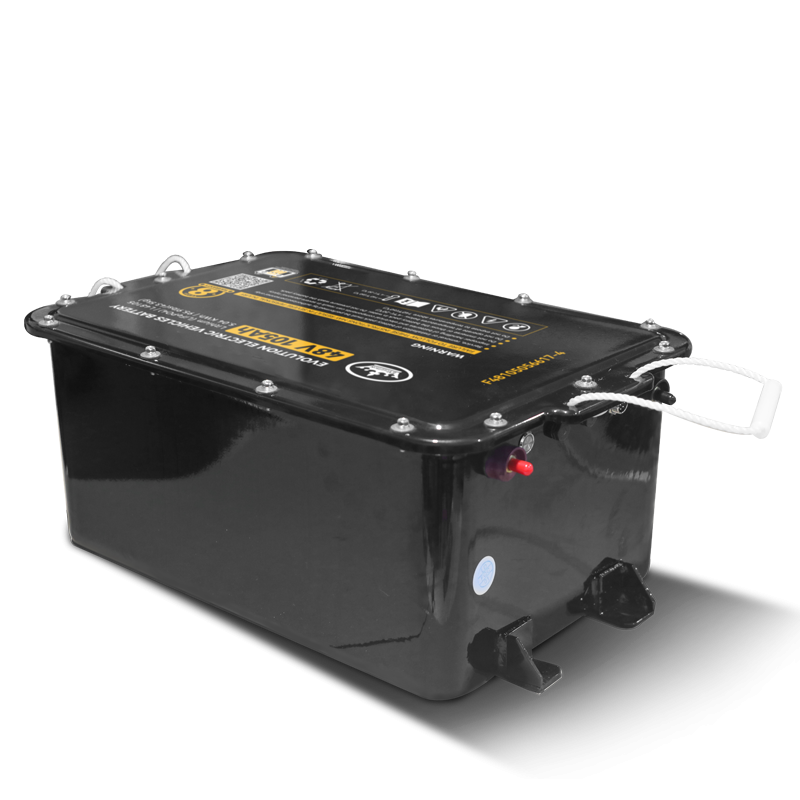
The electric-versus-gas debate for utility carts is no longer just about price. Battery technology has closed the performance gap, and for many operations electric is now the lower-risk, lower-cost choice over the lifetime of the vehicle. This article compares both on the factors that matter on a job site, campus or warehouse, and tells you exactly when gas still wins.

1. Emissions and where you operate
Gas carts emit carbon monoxide and NOx and cannot be used indoors or in enclosed yards without ventilation. Electric carts produce zero tailpipe emissions, which is why they are the default choice for indoor warehouses, food-handling areas, greenhouses and any site with air-quality rules. If the cart ever enters a building, electric is effectively mandatory.
Indoor and enclosed spaces
Many insurers and safety codes restrict internal-combustion equipment indoors; electric removes that risk entirely and lets you move materials through a warehouse or depot without a fume permit.
2. Noise and operator comfort
Gas engines are loud and vibrate, which fatigues operators over a shift and disturbs nearby workers or guests. Electric drive is near-silent and smooth, improving communication on busy sites and making early-morning or late-night operation possible without complaints from neighbors or occupants.
On a shared campus, the noise difference also changes how people behave around the vehicle. Quiet carts are easier to hear approaching pedestrians for, which paradoxically improves safety when paired with a warning beeper in reverse.
3. Maintenance burden
A gas cart needs oil changes, spark plugs, air filters, fuel system care and more frequent brake service. An electric cart has fewer moving parts: no engine, no oil, fewer fluids. The main consumables are tires, brakes and the battery.
| Service item | Gas (ICE) | Electric |
|---|---|---|
| Oil & filters | Every ~100h | None |
| Spark plugs | Periodic | None |
| Fuel system | Inspect/maintain | None |
| Brake service | More frequent | Less frequent |
| Annual service cost | Higher | Lower |
Net effect: electric utility carts spend more time working and less in maintenance. For a fleet, that difference compounds into meaningful labor savings.
4. Operating cost per shift
Electricity is dramatically cheaper than gasoline per mile, especially at commercial rates. Add the longer service intervals and the per-shift cost of electric is typically a fraction of gas. For multi-shift operations the gap widens further because gas carts need refueling logistics while electric tops up during breaks.
Hidden gas costs
Fuel storage and handling compliance.
Spill risk and environmental liability.
More frequent unscheduled repairs.
Operator exposure to fumes and noise.
Read the per-shift math honestly before you commit. A gas cart that looks cheaper to buy can cost more per month once fuel, service and downtime are included, and the gap widens on multi-shift sites where refueling logistics eat into productive hours.
5. Power, range and refueling
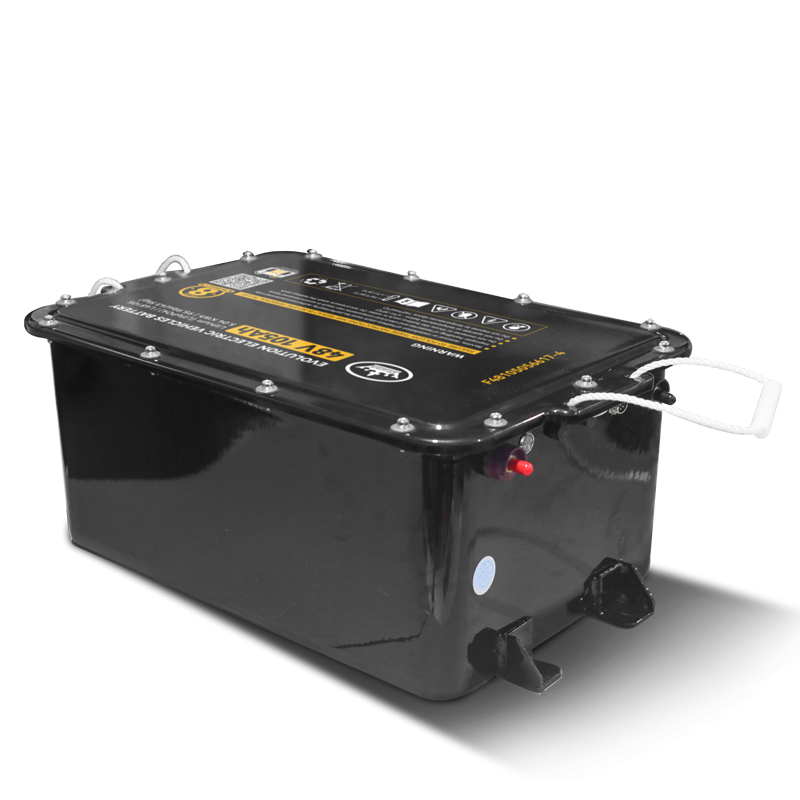
Modern 48V and 72V electric utility carts deliver strong low-end torque for hauling and hills, often feeling quicker off the line than a comparable gas unit. Range anxiety is solved by charging during breaks; gas wins only where continuous all-day runtime with no charging access is required.
6. When gas still makes sense
Gas remains a niche tool for specific conditions. Be honest about whether you actually operate in them before defaulting to ICE.
Remote sites with no reliable power for charging.
Continuous multi-shift use far from any outlet.
Very heavy towing beyond the electric model's rated capacity.
Operations already standardized on gas with bulk fuel infrastructure.
7. Total cost of ownership
Factor purchase, fuel or energy, maintenance, downtime and residual value. For most enclosed, indoor or urban operations, electric wins on TCO inside three years. Gas remains justified mainly for off-grid, heavy, continuous-duty work where charging is genuinely impossible.
8. Common decision mistakes
Assuming electric cannot tow as much as gas (torque is rarely the limit; battery size is).
Ignoring indoor-use rules until compliance forces a retrofit.
Counting only purchase price and not energy plus maintenance.
Underestimating refueling logistics for a gas fleet.
Frequently asked questions
Can an electric utility cart really replace a gas one on a construction site?
For most site tasks yes, provided you have charging access and stay within the rated payload. The quiet operation is a bonus around occupied buildings and evening work.
How long does an electric cart take to charge?
A depleted lithium pack typically charges in 2 to 4 hours and can opportunity-charge during breaks, so a single cart can cover a full day across two shifts.
Is electric harder to maintain for a small team?
The opposite. Fewer parts and no fuel system mean your team spends less time on scheduled service and more time working.
9. HDK's electric utility range
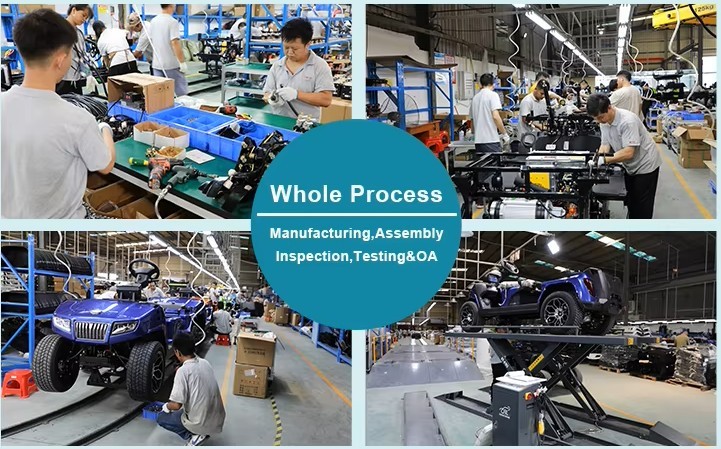
HDK's electric utility vehicles cover cargo, personnel and combined duties across hospitality, industrial and municipal use, all on a low-maintenance electric platform. Contact our team to match a model to your load, terrain and shift pattern, and to compare a true TCO against the gas alternative you are running today.